


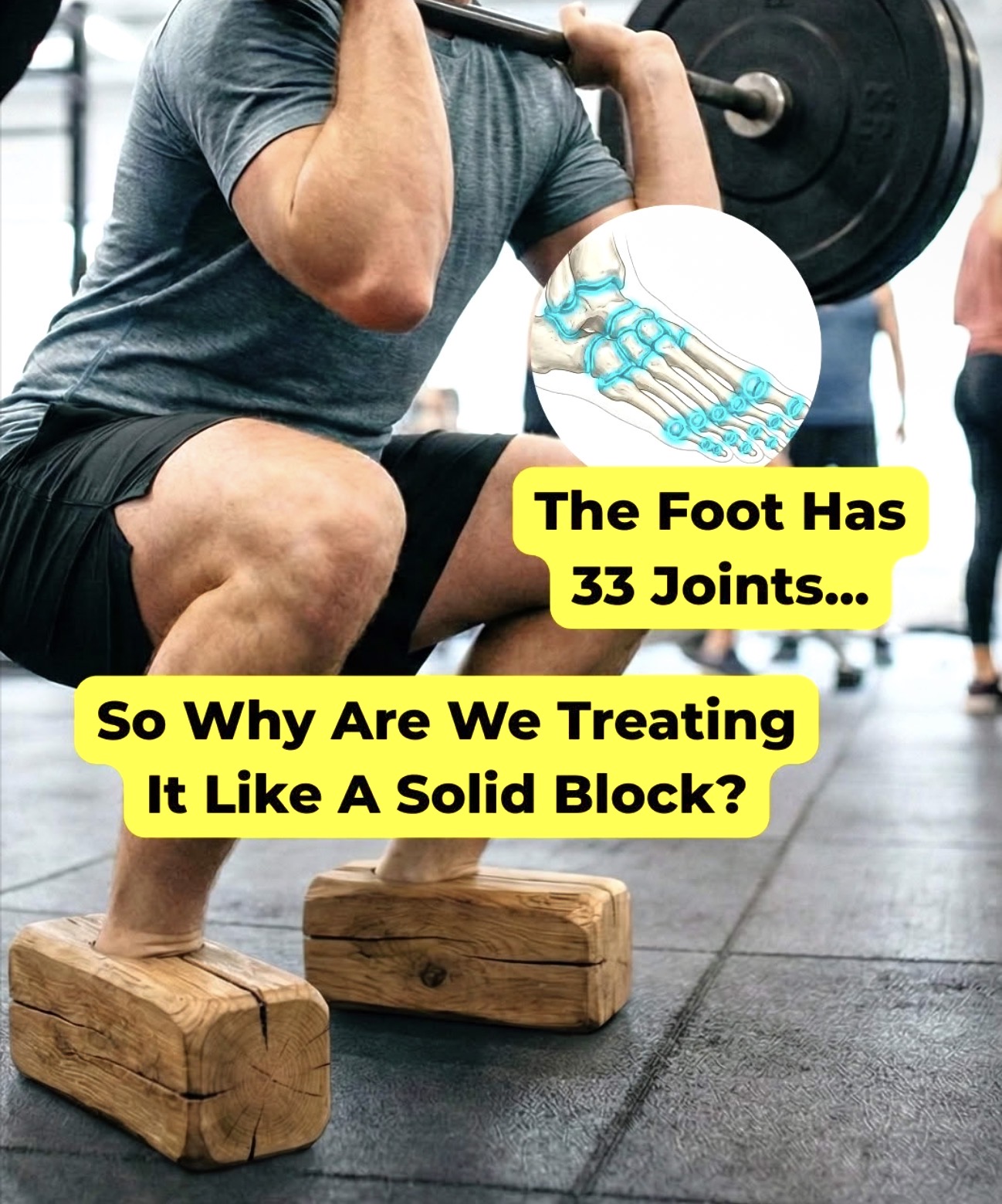
Your foot is one of the most complex and remarkable structures in the human body.
Each foot contains 26 bones, 33 joints, and more than 100 muscles, tendons and ligaments working together to absorb force, adapt to terrain, and propel you forward.
Yet modern life treats the foot like a rigid block.
Thick shoes, orthotic inserts, stiff soles, and supportive footwear often immobilise a structure that was designed to move, bend, spread, and adapt.
Over time, this can weaken the very system that keeps us balanced and pain-free.
At Neurohealth Wellness on Sydney’s Northern Beaches, we frequently see patients with knee pain, hip pain, plantar fasciitis, Achilles issues, and even lower back pain that ultimately trace back to dysfunction in the feet.
The question becomes:
What happens when the body’s foundation stops moving the way it should?
Your Feet Are Designed For Movement
The foot is not one rigid structure.
It is a dynamic system of small joints working together to create three critical functions:
1️⃣ Adaptability — adjusting to uneven ground
2️⃣ Shock absorption — dispersing forces during walking and running
3️⃣ Propulsion — generating power for movement
When the joints of the foot move well, the body above them works efficiently.
But when these joints become restricted or weak, the body begins to compensate.
When The Foot Stops Moving, The Body Compensates
When foot mobility decreases, several things often occur:
The ankle loses range of motion
This forces the knee to move differently.
The knee begins to collapse inward
This can contribute to patellofemoral pain, IT band problems and knee instability.
The hip works harder
Hip muscles compensate to stabilise the leg.
The pelvis and spine adjust
This can contribute to lower back tension or pain.
This chain reaction is known as the kinetic chain, where dysfunction in one part of the body influences the entire system.
That is why at Neurohealth we always assess how the feet are functioning, even when someone presents with pain elsewhere.
Modern Shoes Are Changing How Our Feet Work
Modern footwear often prioritises comfort and cushioning, but these features can sometimes reduce the natural function of the foot.
Common footwear characteristics that can affect foot function include:
• Thick cushioned soles
• Elevated heels
• Narrow toe boxes
• Excessive arch support
While these features may provide temporary comfort, they can also lead to:
• Reduced intrinsic foot muscle strength
• Reduced sensory feedback from the ground
• Stiffer joints within the foot
• Reduced natural shock absorption
Over time, the foot can become less capable of doing its job.
Why Strengthening The Feet Matters
Your feet contain small stabilising muscles that play a crucial role in balance, movement, and injury prevention.
Research has shown that strengthening these intrinsic muscles can help improve:
• Balance
• Running efficiency
• Foot arch control
• Lower limb alignment
Yet these muscles often become underused in modern lifestyles.
When the foot regains strength and mobility, we often see improvements in:
• Plantar fasciitis
• Achilles tendon pain
• Knee pain
• Hip stability
• Lower back discomfort
The Nervous System Connection
The feet contain thousands of sensory receptors that communicate with the brain.
These receptors provide constant feedback about:
• Pressure
• Balance
• Surface changes
• Body position
This information helps the brain coordinate posture and movement.
When feet are restricted or insulated from the ground for long periods, this sensory input can decrease.
Restoring movement, strength, and sensory feedback can improve how the brain organises the entire body.
This is why chiropractic care often includes foot assessment and functional movement evaluation.
How Chiropractic Care Can Help
At Neurohealth Wellness in Allambie Heights, our chiropractors look beyond the site of pain.
We assess the entire movement system, including the feet.
Care may include:
✔ Chiropractic adjustments to restore joint movement in the feet and ankles
✔ Movement assessments of the entire kinetic chain
✔ Strengthening exercises for the intrinsic foot muscles
✔ Balance and proprioception training
✔ Guidance on footwear choices
Because the body functions as an integrated system, improving foot function can often relieve stress further up the chain.
If you’re experiencing foot pain, knee pain, or lower back issues, the root cause may start with how your feet move and function.
👉 Book an appointment now!
https://www.neurohealthwellness.com.au/booking
Or call our team on (02) 9905 9099.
Simple Ways To Start Rebuilding Stronger Feet
Many people are surprised how quickly foot strength can improve with the right approach.
Some simple starting strategies include:
1. Spend Time Barefoot (When Safe)
Walking barefoot allows the foot to move naturally and activates stabilising muscles.
2. Toe Mobility Exercises
Practising spreading and controlling the toes can improve foot function.
3. Short Foot Exercises
These strengthen the muscles supporting the arch.
4. Balance Training
Standing on one leg activates the foot’s stabilisers.
5. Gradual Transition
If you’re used to highly cushioned footwear, transitioning slowly is important.
Sudden changes can overload tissues that have been underused.
Your Feet Are Your Foundation
Think of your feet as the foundation of a building.
If the foundation becomes weak or unstable, the structure above must compensate.
But when the foundation becomes strong and adaptable again, the entire structure benefits.
The body is no different.
When the 33 joints of the foot move well and work together, they create a strong base for the entire body.
Final Thoughts
The foot was never designed to be a rigid block.
It was designed to be strong, mobile, adaptable, and responsive.
By restoring movement and strength in the feet, we can often unlock improvements throughout the entire body.
At Neurohealth Wellness on Sydney’s Northern Beaches, our goal is not just to relieve pain — but to restore the natural function that allows the body to thrive.
If you’re struggling with foot pain, plantar fasciitis, knee issues, or persistent lower back tension, it may be time to look at the foundation of your body.
📍 Neurohealth Wellness
33–35 Kentwell Rd, Allambie Heights
📞 (02) 9905 9099
🌐 www.neurohealthwellness.com.au
👉 Book an appointment now!
https://www.neurohealthwellness.com.au/booking
References
- Kelly LA et al. Intrinsic foot muscles have the capacity to control deformation of the longitudinal arch. J R Soc Interface. 2014.
- Lieberman DE. What we can learn about running from barefoot running. Nature. 2012.
- McKeon PO & Hertel J. The foot core system: a new paradigm for understanding intrinsic foot muscle function. Br J Sports Med. 2015.
- Ridge ST et al. Foot bone marrow edema after a 10-week transition to minimalist running shoes. Med Sci Sports Exerc. 2013.
- Mulligan EP & Cook PG. Effect of plantar intrinsic muscle training on medial longitudinal arch morphology and dynamic function. Man Ther. 2013.
- Robbins S & Hanna AM. Running-related injury prevention through barefoot adaptations. Med Sci Sports Exerc.1987.


