


When your cycle, energy, mood or sleep feels out of step, it can affect far more than the days marked on a calendar. Many women seek complementary care because they want time to discuss the bigger picture: stress, movement, digestion, pain, recovery, pregnancy plans and the demands of everyday life. This guide to women’s health acupuncture explains how treatment may fit into personalised care, what it can and cannot do, and how to decide whether it feels right for you.
What is women’s health acupuncture?
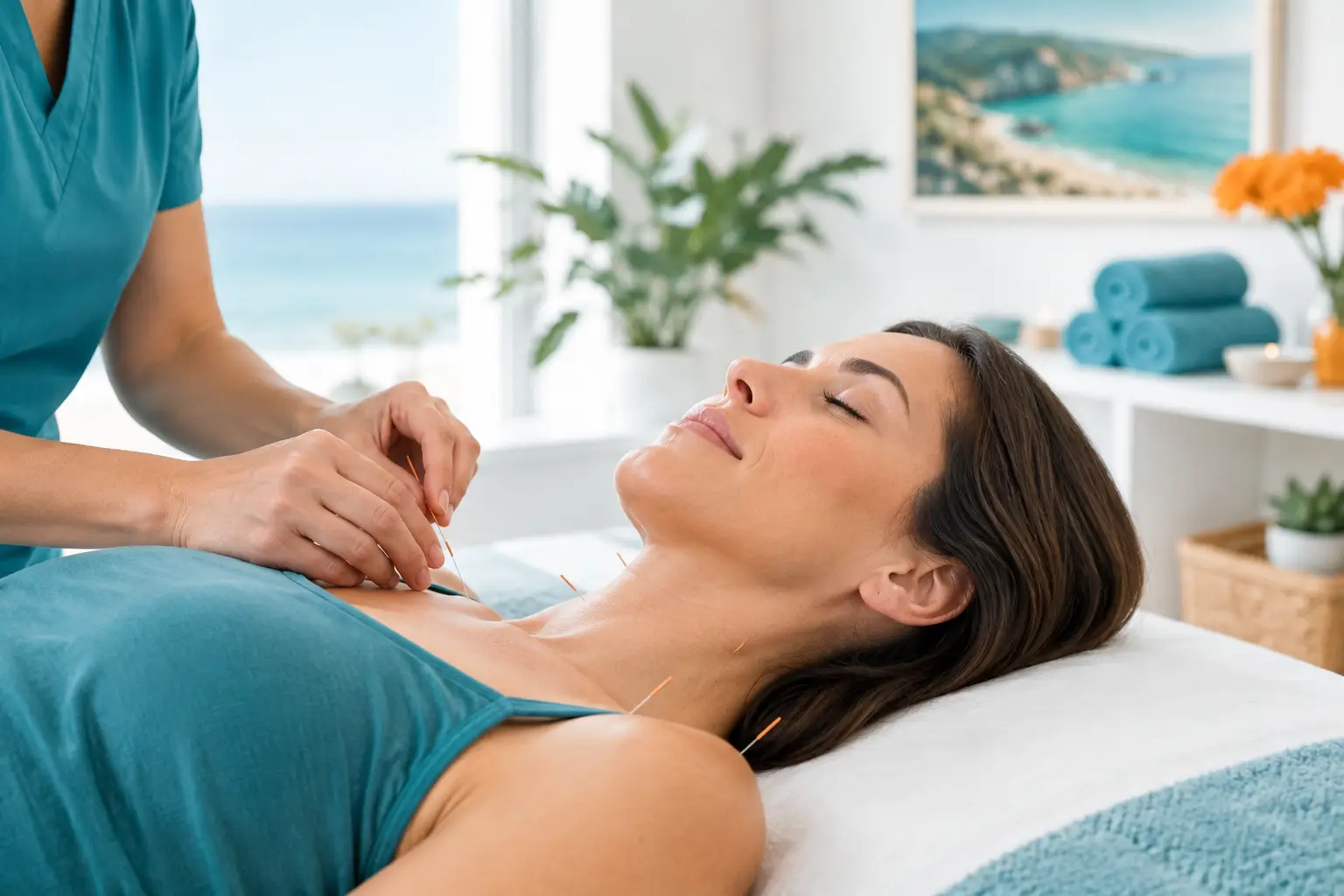
Acupuncture is a form of Chinese medicine in which very fine, single-use needles are placed at selected points on the body. A registered practitioner will take a detailed health history and consider your symptoms alongside factors such as sleep, stress, activity levels, digestion, medical history and current medications. Treatment is tailored rather than based on a one-size-fits-all protocol.
Women’s health acupuncture may be used as supportive care through different life stages, including menstruation, fertility preparation, pregnancy, postpartum recovery and perimenopause or menopause. People also choose it when they are managing muscle tension, headaches, low back discomfort, stress or poor sleep alongside hormonal changes.
The goal is not to promise a quick fix or replace medical care. It is to support your wellbeing, ease relevant symptoms where appropriate and help you feel more connected to what your body needs. For some women, acupuncture becomes one useful part of a broader plan that may also include GP or specialist care, movement, nutrition, remedial massage, chiropractic care or psychological support.
A guide to women’s health acupuncture concerns
Period pain, irregular cycles and PMS
Painful periods, mood changes, breast tenderness, fatigue and headaches can make the lead-up to menstruation particularly difficult. Acupuncture is commonly sought to support comfort, relaxation and nervous system regulation during the menstrual cycle. Your practitioner may ask about the timing, location and severity of pain, flow changes, bowel symptoms, stress and sleep, as these details help shape treatment.
However, severe pelvic pain, very heavy bleeding, bleeding between periods, fainting, a sudden change in your usual cycle or pain that stops you from functioning should be assessed by a GP or gynaecologist. Conditions such as endometriosis, adenomyosis, fibroids, thyroid disorders and polycystic ovary syndrome need appropriate diagnosis and medical management. Complementary treatment works best when it sits alongside clear medical information, not instead of it.
Fertility support
Trying to conceive can bring hope, pressure and a great deal of uncertainty. Some people use acupuncture as supportive care before conception, while undergoing fertility investigations or alongside assisted reproductive treatment. Sessions may focus on stress, sleep, general wellbeing and the physical effects of a busy or demanding routine.
It is important to keep expectations realistic. Acupuncture cannot guarantee pregnancy and should not delay fertility assessment, particularly if you have known reproductive health concerns, irregular or absent periods, a history of miscarriage, or have been trying for longer than recommended for your age and circumstances. A thoughtful practitioner will encourage open communication with your GP, fertility specialist or obstetric team.
Pregnancy care
Pregnancy places new demands on the body, from low back and pelvic discomfort to fatigue, nausea, sleep disruption and anxiety. Some women choose pregnancy acupuncture for gentle, individualised support during these changes. Treatment plans should always account for gestational stage, health history and any pregnancy complications.
Not every point or treatment approach is appropriate during pregnancy. That is why it matters to see a practitioner experienced in pregnancy care and to tell them about all medications, scans, symptoms and advice from your maternity provider. Urgent concerns such as vaginal bleeding, severe abdominal pain, reduced fetal movements, severe headache, sudden swelling, chest pain or shortness of breath require prompt medical assessment rather than an acupuncture appointment.
Postpartum wellbeing
The weeks after birth can be physically demanding and emotionally intense. Recovery may involve feeding challenges, disrupted sleep, neck and shoulder tension from holding a baby, low back pain, pelvic discomfort or a feeling of being overwhelmed. Acupuncture can be considered as part of a supportive care plan, with treatment adapted to your recovery, birth experience and feeding needs.
Postnatal depression and anxiety are common, treatable health conditions and deserve proper support. If you are experiencing persistent low mood, panic, intrusive thoughts, hopelessness or difficulty coping, speak with your GP, midwife or maternal health professional. If you feel at risk of harming yourself or someone else, seek urgent help immediately.
Perimenopause and menopause
Hormonal transition can look different for every woman. Hot flushes, night sweats, sleep changes, mood shifts, brain fog, joint aches and changing energy may arrive gradually or feel unexpectedly disruptive. Acupuncture may help some women feel calmer, sleep more comfortably or manage musculoskeletal tension while they explore their options.
There is no single answer for menopause care. Lifestyle changes, hormone therapy, non-hormonal medical treatments and complementary therapies each have potential benefits and considerations. A collaborative plan, based on your symptoms, history and preferences, gives you the best foundation for making informed choices.
What happens at your first appointment?
A good first consultation should feel unhurried and respectful. Your practitioner will ask what has brought you in, what you have already tried and what a meaningful improvement would look like for you. They may discuss your menstrual history, pregnancies, contraception, medical conditions, medications, stress levels, exercise and sleep. These are relevant clinical questions, but you should always feel comfortable to ask why information is being collected.
After assessment, the practitioner will explain their proposed approach, including where needles may be placed and how many sessions may be reasonable before reviewing progress. Acupuncture needles are much finer than injection needles. Sensations vary: you may notice a brief pinch, warmth, heaviness, tingling or a dull ache, while many people feel deeply relaxed during treatment.
You remain in control throughout the session. Let your practitioner know if you feel uncomfortable, faint, anxious or unsure. You can ask for treatment to stop at any time. Afterward, some people feel relaxed or a little tired, so allowing a quieter evening where possible can be helpful.
Safety and choosing the right practitioner
Acupuncture is generally well tolerated when provided by a suitably qualified practitioner using sterile, single-use needles. Mild bruising, temporary soreness, light bleeding or tiredness can occur. Your practitioner should discuss possible side effects, check for relevant health conditions and obtain informed consent before treatment.
Be especially clear about pregnancy, blood-thinning medication, bleeding disorders, a history of fainting, implants or medical devices, and any current medical treatment. Do not stop prescribed medication or alter a specialist’s treatment plan without medical advice.
Look for a practitioner who listens carefully, welcomes collaboration with your other health providers and does not make sweeping claims. They should be comfortable referring you for medical assessment when symptoms fall outside complementary care. In Australia, checking that a Chinese medicine practitioner is appropriately registered is a sensible starting point.
Making acupuncture part of whole-body care
Your symptoms rarely exist in isolation. A desk-based job may contribute to neck tension and headaches; a demanding training schedule may affect recovery and sleep; ongoing stress may leave your body feeling constantly switched on. Looking at these connections can make care more useful and sustainable.
At Neurohealth Wellness, women’s health acupuncture can be considered alongside hands-on therapies and movement-focused care when appropriate. For example, persistent low back or hip tension may benefit from a combined approach that addresses mobility, muscle load and stress, rather than focusing only on the site of discomfort. The right mix depends on your goals, health history and what your body responds to over time.
Progress is not always linear. Keeping brief notes on sleep, energy, pain, cycle symptoms and stress between appointments can help you and your practitioner identify meaningful patterns. It also helps ensure treatment remains purposeful, with regular reviews rather than continuing by default.
Feeling heard is part of good healthcare. If you are considering women’s health acupuncture, choose a practitioner who takes your symptoms seriously, explains your options clearly and works with you to create care that feels safe, practical and genuinely supportive.


