


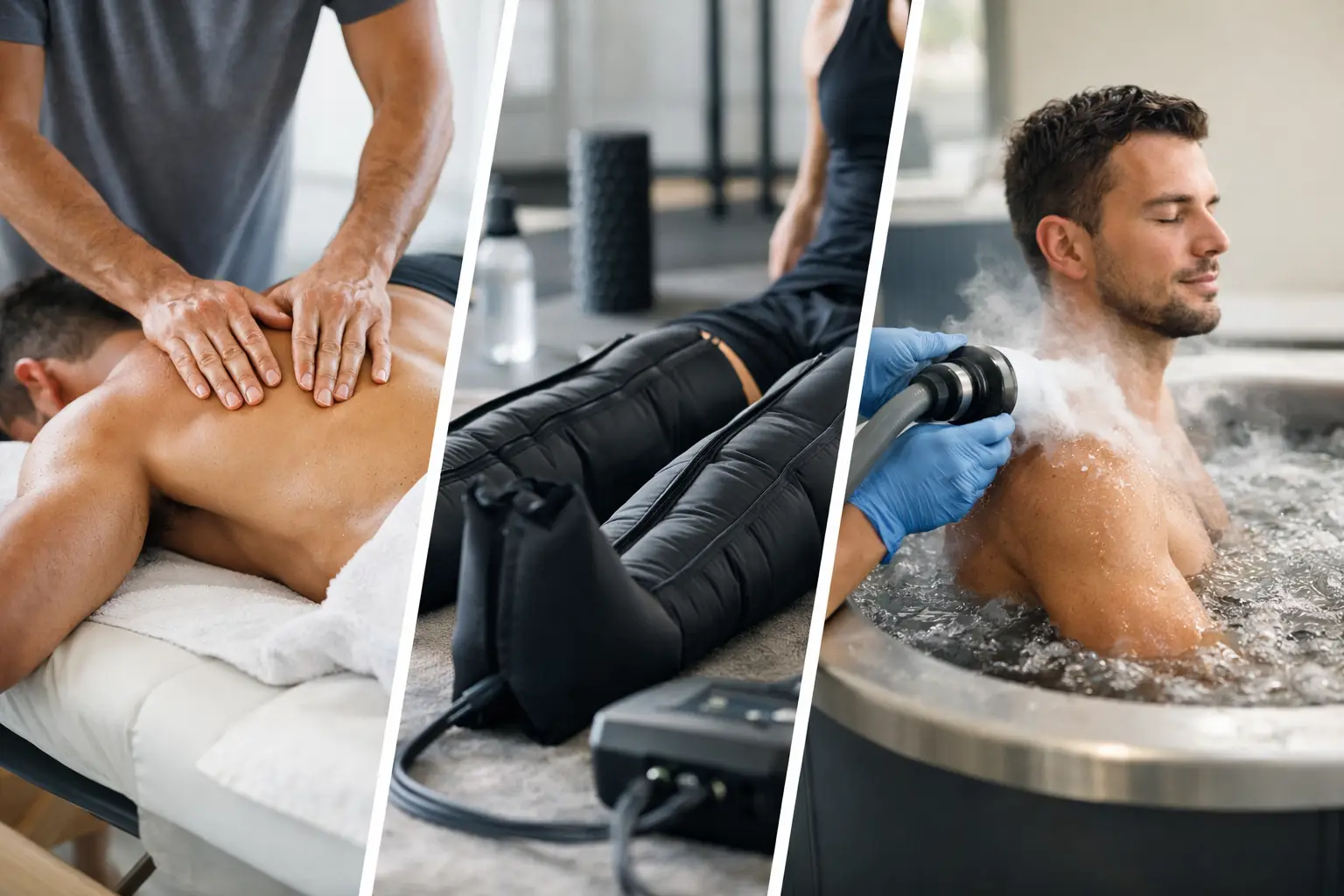
You feel it the morning after - the heavy legs, the tight shoulder, the knee that suddenly objects to stairs. For active people, the question is not just how to get out of pain, but which are the best therapies for sports recovery when you want to heal well, move properly, and avoid the same issue coming back.
The answer is rarely a single treatment. Recovery depends on what has been overloaded, how your body compensates, how well you sleep, and whether your nervous system is stuck in a stressed state. A rolled ankle after weekend footy needs a different approach from a desk worker training for a half marathon with recurring hip tightness. Good recovery care looks at the whole picture - injury, movement, muscle tension, training load, stress, and the pace you want to return to sport.
What makes the best therapies for sports recovery?
The most effective recovery therapies do two jobs at once. They help settle pain and irritation in the short term, and they support better function in the longer term. If a treatment gives quick relief but does not improve how you move, load, and recover, the benefit can be short-lived.
That is why sports recovery often works best with a combined approach. Hands-on care can ease tight, overworked tissue. Targeted treatment can calm local inflammation and support healing. Movement-based rehabilitation can restore strength and control. When needed, care that also addresses stress, sleep, and nervous system regulation can make a real difference, especially for athletes who feel constantly tight, flat, or slower to recover than they should.
Remedial massage and myotherapy for muscle overload
When muscles are sore, stiff, or guarding after training, remedial massage is often one of the first therapies people reach for - and for good reason. It can help reduce tension, improve circulation, and restore a greater sense of ease through the body. For sports recovery, that matters because overloaded muscles do not just feel uncomfortable. They can also change how you move, shifting stress into joints and nearby tissues.
Myotherapy takes that a step further by focusing closely on muscle and soft tissue dysfunction. It can be particularly useful when a problem keeps returning, such as calf tightness linked to running, shoulder restriction from swimming, or forearm tension from tennis or golf. Rather than simply loosening a sore area, treatment can look at why that area keeps being overworked.
There is a balance to strike here. Deep tissue work is not always better, particularly straight after intense exercise or when tissue is already highly irritated. In some cases, gentler treatment helps the body recover more effectively than aggressive pressure.
Chiropractic care for joint movement and biomechanics
If your body is not moving well, recovery can stall. Chiropractic care can help when restricted joint movement, poor mechanics, or compensation patterns are contributing to pain or reduced performance. This is often relevant for the spine, pelvis, shoulders, hips, knees, and ankles - areas that play a major role in how force travels through the body.
For example, recurrent hamstring tightness is not always just a hamstring problem. Sometimes the pelvis and lower back are not moving well, which changes how the muscle loads during running or lifting. Shoulder pain may also be linked to thoracic spine stiffness or altered rib movement rather than the shoulder alone.
A thoughtful chiropractic approach does not stop at the adjustment. It should sit within a broader plan that considers posture, mobility, training habits, and rehabilitation. That is where many active adults get better results - not from chasing symptoms, but from improving the mechanics behind them.
Acupuncture and dry needling for pain and recovery
Acupuncture is a valuable option in sports recovery, especially when pain, muscle tension, or inflammation is slowing progress. Many people find it helpful for overuse issues, persistent tightness, and recovery from training blocks where the body feels stuck in a cycle of strain and incomplete repair.
Dry needling can also be effective for trigger points and local muscle dysfunction. While the two approaches use similar tools, they are not the same. Dry needling usually targets muscle bands and specific points of tension, while acupuncture works from a broader whole-body perspective that may also support nervous system regulation, circulation, and general wellbeing.
That distinction matters. If your recovery issue is highly localised, dry needling may be the right fit. If your recovery is being affected by poor sleep, stress, fatigue, or a sense that your whole system is under pressure, acupuncture may offer broader support. For some people, it is not either-or. It is about using the right technique at the right stage of recovery.
Shockwave and laser therapy for stubborn injuries
Some sports injuries respond well to hands-on care and exercise. Others linger. Tendinopathies and chronic soft tissue irritation can be more frustrating, especially around the elbow, shoulder, knee, Achilles, or plantar fascia. In those cases, therapies such as shockwave and laser treatment may be considered as part of a broader recovery plan.
Shockwave therapy is often used for persistent tendon pain and long-standing soft tissue problems. It can stimulate healing in tissue that has become slow to respond. Laser therapy is commonly chosen to support tissue repair, reduce pain, and calm inflammation in certain injuries.
These therapies are not magic fixes, and they are not right for every injury. They tend to work best when the diagnosis is clear and when treatment is paired with load management and rehabilitation. If you keep aggravating the tissue in training, even the best technology will struggle to keep up.
Rehabilitation matters as much as treatment
One of the biggest mistakes in sports recovery is stopping at symptom relief. Pain settles, movement improves, and training resumes - but the body has not regained enough strength, stability, or control to handle the demands being placed on it.
That is where rehabilitation earns its place among the best therapies for sports recovery. A structured rehab plan helps bridge the gap between treatment room relief and real-world performance. It may include mobility work, progressive strengthening, balance training, core control, and sport-specific loading.
This matters for obvious injuries like ankle sprains and shoulder strains, but also for repetitive issues such as runner's knee, hip pain, Achilles soreness, or lower back tightness after gym sessions. The goal is not just to feel better on the table. It is to move with more confidence when you return to training, competition, or your next long day on your feet.
The role of the nervous system, stress, and sleep
Athletes and active adults are often surprised by how much stress affects recovery. If your nervous system is constantly switched on, muscles can stay guarded, sleep quality can dip, and soreness can linger longer than expected. You may feel flat in training even when you are doing all the usual recovery basics.
That is why a holistic approach can be so effective. Recovery is not only about the injured area. It is also about how your whole body is coping. Support for stress regulation, breath, relaxation, and sleep can improve how well your tissues recover and how ready you feel for movement.
For some people, that may include mind-body support such as hypnotherapy to address stress, sleep disruption, performance anxiety, or habits that interfere with recovery. It is not the first tool for every injury, but in the right context it can be an important part of care.
How to choose the right recovery therapy for you
The best therapy depends on the type of injury, how long it has been there, and what your body needs most right now. Acute muscle tightness after a hard week of training may respond well to massage and a short recovery plan. A recurring shoulder issue may need chiropractic care, myotherapy, and rehab exercises. A stubborn tendon problem may need shockwave or laser therapy alongside load modification.
The key is proper assessment. Guesswork can waste time, especially if you are alternating between rest, self-treatment, and pushing through. A practitioner-led plan can help identify whether the problem is mainly joint, muscular, tendon-based, nerve-related, or influenced by stress and recovery capacity.
At Neurohealth Wellness, this integrated way of working is often what helps active people recover with more confidence. Having access to chiropractic, massage, myotherapy, acupuncture, and rehabilitation-focused care under one roof allows treatment to match the person, not just the label of the injury.
If your body keeps sending the same warning signs, it may be time to look beyond quick fixes. The right recovery therapy should help you feel better, move better, and trust your body again when it counts.


