


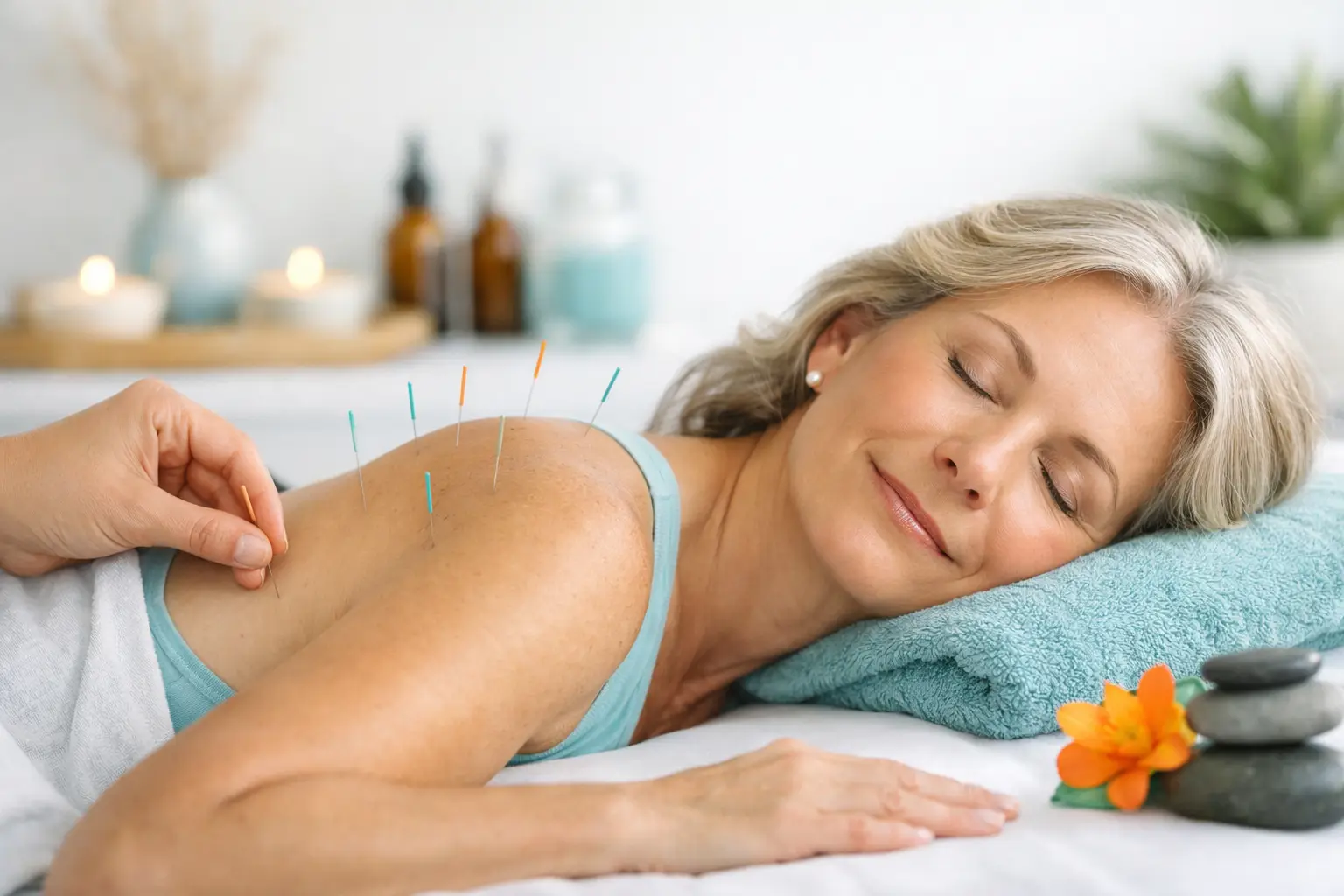
A familiar pattern for many women is waking at 3 am, throwing off the doona because of a sudden flush, then facing a busy workday already exhausted. If you are asking, can acupuncture support perimenopause symptoms, the short answer is that it may be a helpful part of a personalised care plan. It is not a replacement for medical assessment or a one-size-fits-all solution, but many women find it supports comfort, sleep and a steadier sense of wellbeing through this changing stage.
Perimenopause can begin years before periods stop completely. Symptoms may shift from month to month, which can make them frustrating to track and even harder to explain. A thoughtful approach looks beyond one symptom in isolation and considers your sleep, stress load, movement, menstrual changes, nutrition, medical history and the demands of everyday life.
What perimenopause can feel like
Hormonal fluctuations during perimenopause affect people differently. Some women notice shorter, longer or less predictable cycles first. Others are more aware of hot flushes, night sweats, disrupted sleep, low mood, anxious feelings, headaches, brain fog, reduced energy, joint aches or changes in libido.
These symptoms can overlap with other health concerns. For example, poor sleep may heighten pain sensitivity and anxiety, while ongoing stress can make flushes and palpitations feel more intense. That is why individual assessment matters. What helps one person may not be the right approach for another.
It is also worth speaking with your GP about new, severe or concerning symptoms. Very heavy bleeding, bleeding between periods or after sex, chest pain, fainting, persistent palpitations, unexplained weight loss, or a significant change in mood all deserve timely medical advice. A GP can investigate possible causes, discuss menopause hormone therapy and other evidence-based options, and help ensure complementary care fits safely alongside your broader health plan.
Can acupuncture support perimenopause symptoms?
Acupuncture is a traditional therapy that involves the gentle insertion of very fine, sterile needles at selected points on the body. In a modern clinical setting, treatment is tailored to the person in front of the practitioner rather than applied as a standard protocol for “menopause”.
Research into acupuncture for perimenopausal symptoms is still developing. Some studies suggest it may reduce the frequency or severity of hot flushes for some women and may support sleep, mood and quality of life. However, results are mixed, study methods vary, and acupuncture does not work equally well for everyone. It should be presented as supportive care, not a guaranteed cure.
From a whole-body perspective, acupuncture may be particularly useful when symptoms are compounded by stress, tension, poor sleep or persistent pain. Many women value having dedicated time to discuss what has changed, receive hands-on care and develop practical strategies that support their nervous system as well as their physical comfort.
Sleep, stress and nervous system support
When sleep becomes broken, the effects can quickly spill into concentration, patience, food choices, exercise and pain levels. Acupuncture appointments can offer a quiet space to slow down and focus on recovery. Some people feel deeply relaxed during or after treatment, while others notice a gradual improvement over several sessions.
This does not mean acupuncture can remove every stressor from a full calendar. Rather, it may support the body’s capacity to settle and recover, especially when paired with realistic changes such as a consistent bedtime, less alcohol in the evening, regular meals and movement that feels restorative rather than punishing.
Hot flushes and night sweats
Hot flushes can be unpredictable and disruptive, particularly when they interrupt sleep or occur during meetings, school pick-up or exercise. Some women choose acupuncture because they prefer a non-drug option, cannot use certain medications, or want support alongside medical treatment.
Your practitioner can monitor changes over time, including the timing, intensity and common triggers for flushes. Coffee, alcohol, spicy food, warm rooms, stress and poor sleep can play a role for some people, although triggers are highly individual. Tracking patterns helps make treatment more specific and helps you see whether your plan is making a meaningful difference.
Aches, tension and changing recovery
Perimenopause can coincide with new joint stiffness, neck and shoulder tension, headaches or a sense that recovery from training takes longer than it used to. These changes should not automatically be put down to hormones, particularly after an injury or when pain is persistent.
An integrated clinic can be useful here. Acupuncture may be combined, where appropriate, with remedial massage, myotherapy, chiropractic care or guided rehabilitation to address movement restrictions, muscular overload and your personal activity goals. The focus is not simply on chasing pain. It is on helping you keep moving with more confidence, whether that means walking the dog, returning to the gym, playing sport or getting through a day at the desk without feeling depleted.
What happens in an acupuncture consultation?
A supportive consultation starts with listening. Your practitioner may ask about your cycle, sleep, energy, digestion, stress, medications, medical diagnoses, injuries and what a better week would look like for you. They will also ask what you have already tried and whether you are working with a GP or specialist.
Treatment itself is generally gentle. Most people feel little more than a brief sensation as the needles are inserted, followed by warmth, heaviness or a relaxed feeling. Needles are single-use and sterile. You will be made comfortable on the treatment table, and you can always let your practitioner know if you are nervous, sensitive to needles or would prefer a slower approach.
The number and frequency of sessions depend on your symptoms, response and goals. Some people begin with a short series of appointments and review progress after a few weeks. Others use occasional sessions during periods of greater stress or symptom flare-ups. A good plan includes clear check-ins: are you sleeping better, experiencing fewer flushes, moving more freely or coping more comfortably day to day?
Building care around your real life
The most helpful perimenopause care is rarely about one therapy alone. It is about choosing practical supports that you can sustain. Acupuncture can sit alongside GP care, prescribed treatments, strength training, nutrition guidance and stress-management practices.
Small changes can carry real weight when symptoms are affecting your reserves. Regular resistance exercise can support strength and bone health. Consistent meals with enough protein and fibre may help energy and appetite regulation. Reducing alcohol, especially close to bedtime, can be worthwhile for women who notice it worsens sleep or flushes. Gentle breathing practices, walking outdoors and a realistic wind-down routine can all help create more space for recovery.
There are trade-offs to consider. A therapy may feel calming but still require time and financial commitment. Hormonal or medical options may offer stronger symptom relief for some women but are not suitable for everybody. Your preferences, health history and response to treatment should guide decisions, rather than pressure to follow one particular path.
When acupuncture needs extra care
Always tell your acupuncturist about medications, supplements and diagnosed health conditions. This is particularly important if you take blood-thinning medication, have a bleeding disorder, are pregnant or could be pregnant, have a history of fainting with needles, or are receiving treatment for cancer. Your care plan may need adjusting, or your practitioner may recommend liaising with your GP.
Acupuncture should never delay medical care for unexpected bleeding, severe pelvic pain, significant depression or anxiety, or symptoms that feel unlike your usual experience. Complementary care works best when it is coordinated and respectful of the full picture.
At Neurohealth Wellness, women’s health acupuncture is delivered with the warmth, privacy and individual attention this stage of life deserves. Whether your main concern is sleep, stress, discomfort or feeling less like yourself, the starting point is a conversation about your health and your goals.
Perimenopause may be a transition, but you do not have to simply push through it. Seeking thoughtful support can help you understand what your body is asking for and make room for more comfortable, capable days.


