


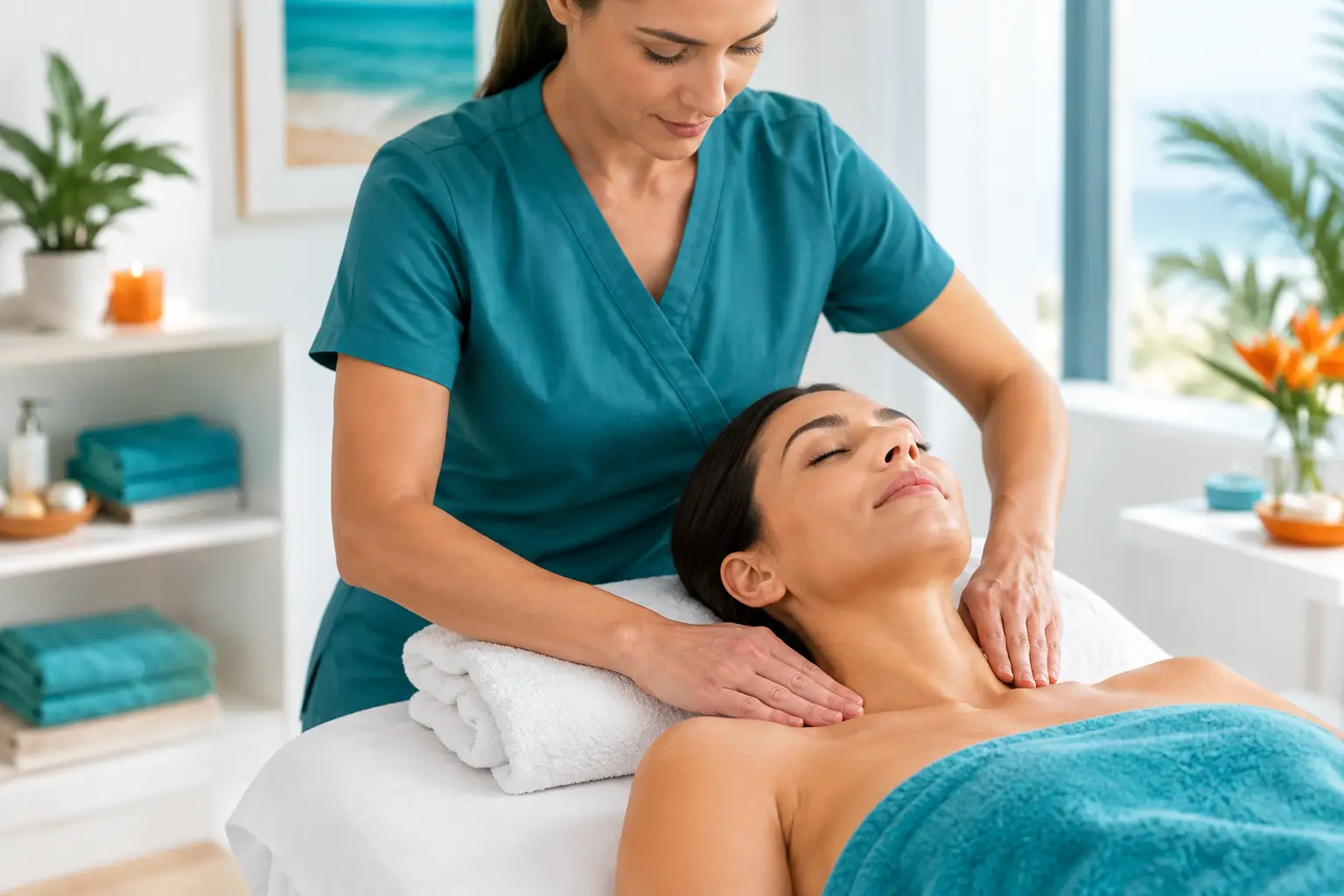
A feeling of heaviness in the legs, puffiness after travel, or swelling that lingers around an old injury can be uncomfortable and concerning. So, can massage help lymphatic drainage? In some circumstances, gentle, appropriately applied massage may support comfort and the natural movement of fluid through the body. But it is not a one-size-fits-all treatment, and new or unexplained swelling should always be assessed before hands-on care begins.
At Neurohealth Wellness, we look at the whole picture: your symptoms, medical history, movement patterns, activity level, stress load and treatment goals. This helps us determine whether massage is appropriate, what style may suit you, and when another form of care or medical review is the safer next step.
What the lymphatic system does
The lymphatic system is part of your body's fluid-management and immune system. It collects excess fluid, proteins and cellular waste from tissues and moves them through lymph vessels and lymph nodes, eventually returning fluid to the bloodstream. Unlike the heart, the lymphatic system does not have a central pump. It relies on body movement, muscle contractions, breathing and healthy vessel function to keep fluid moving.
That is one reason people may notice temporary puffiness after long periods of sitting, reduced activity following an injury, or a long-haul flight. Regular walking, gentle exercise, changing position during desk work and steady hydration can all support normal circulation and lymphatic flow.
It is worth separating everyday fluid retention from lymphoedema. Lymphoedema is a medical condition involving persistent swelling due to impaired lymphatic drainage. It may occur after lymph node surgery, radiation therapy, infection, trauma or because of an inherited condition. It needs assessment and management from appropriately qualified health professionals.
Can massage help lymphatic drainage?
Gentle lymphatic-style massage may encourage superficial lymph flow and help some people feel less heavy, tight or puffy. The technique is very different from a deep remedial massage. It uses light, rhythmic skin-stretching movements in the direction of lymphatic pathways, rather than firm pressure into muscles.
For a person with mild, temporary puffiness and no concerning symptoms, a carefully selected treatment may be a useful part of a broader wellbeing plan. Massage can also promote relaxation, which may be valuable when stress, poor sleep and muscle tension are affecting recovery and movement.
However, massage does not "flush toxins" from the body, cure lymphoedema or replace medical treatment for swelling. The liver, kidneys, lungs and lymphatic system already have important roles in processing and clearing waste. A practitioner should be clear about what massage can reasonably support and what it cannot.
For people diagnosed with lymphoedema, specialised lymphatic drainage techniques may form part of a clinician-guided management plan. This is often combined with other strategies, such as compression, skin care, tailored exercise and ongoing monitoring. The right approach depends on the cause, location and severity of the swelling.
The difference between lymphatic and remedial massage
Many clients assume firmer massage is always more effective. For lymphatic support, that is not usually the case. Lymph vessels close to the surface of the skin respond to a very light touch. Excessive pressure can be uncomfortable and may not achieve the intended effect.
Remedial massage, by comparison, may use a range of pressures and techniques to address tight muscles, restricted movement, training load and soft-tissue discomfort. It can be particularly helpful in a rehabilitation plan for certain sports injuries, from ankle and knee concerns to shoulder, hip, elbow and wrist problems. Yet a swollen joint or limb still needs thoughtful assessment. The best treatment may involve massage, mobility work, load management, chiropractic care, acupuncture or referral, depending on what is driving the symptoms.
A skilled therapist adapts the session to your presentation rather than applying the same technique to every body. This is particularly relevant during pregnancy, after injury, when returning to exercise, or while managing ongoing health conditions.
What a safe session may involve
If massage is suitable, your practitioner may begin with a discussion about when the swelling started, whether it changes during the day, recent travel, medications, exercise, surgery and any history of vascular or heart conditions. They may also assess movement, muscle tension and areas of tenderness.
A lymphatic-focused session is generally calm and gentle. You should not need to tolerate pain or bruising. Your practitioner may also suggest simple between-appointment strategies, such as regular walking, diaphragmatic breathing, movement breaks during work, appropriate recovery after training, and elevating the legs when advised. These recommendations should fit your health status and routine, not add another unrealistic task to a busy week.
When massage is not the right first step
Swelling can have many causes, including an acute injury, infection, vein problems, medication effects, heart or kidney conditions, and lymphatic dysfunction. Massage should be postponed until you have medical advice if swelling is sudden, severe, one-sided or unexplained.
Seek urgent medical assessment if you experience any of the following:
- sudden swelling, pain, warmth or redness in one leg or arm
- chest pain, shortness of breath, dizziness or coughing up blood
- fever, increasing redness, broken skin or signs of infection
- swelling after a significant injury, particularly if you cannot bear weight or move normally
These symptoms can indicate conditions that require prompt medical care. Massage is also generally avoided over active infection, suspected blood clots, uncontrolled heart failure, acute inflammation or areas affected by certain cancers unless your treating medical team has advised otherwise.
If you have had cancer treatment, lymph node removal, radiotherapy, vascular surgery or a diagnosis of lymphoedema, tell your practitioner before booking. This information allows treatment to be planned safely and, where needed, coordinated with your medical and allied health team.
Supporting lymphatic health in everyday life
Massage works best as one part of consistent, realistic self-care. Your lymphatic system benefits from ordinary movement far more often than it benefits from an occasional appointment. A brisk walk along the Northern Beaches, a swim, gentle strength training or a few mobility breaks between meetings can help activate the muscle pump that supports fluid movement.
Breathing also matters. Slow diaphragmatic breathing changes pressure through the chest and abdomen, which can assist the movement of lymph. It is a simple practice that may also settle the nervous system, making it useful for people carrying stress in their shoulders, jaw or lower back.
Recovery deserves attention too. Athletes and active adults often push through a sore or swollen area because they do not want to lose momentum. Early assessment can identify whether the issue is related to training load, joint mechanics, soft-tissue irritation or something that needs medical investigation. The goal is not simply to get rid of a symptom for the weekend, but to return to movement with confidence and a clearer plan.
Choosing the right care for your body
The most helpful question is not only whether massage can assist lymphatic drainage, but why swelling or discomfort is occurring in the first place. A whole-body assessment helps prevent the common mistake of treating a visible symptom while missing the factors that may be contributing to it.
At Neurohealth Wellness, our massage therapists, myotherapists, chiropractors and acupuncturists can work within an integrated care approach when appropriate. Whether you are recovering from sport, feeling stiff after long workdays, navigating pregnancy-related changes or managing persistent tension, care should feel considered, comfortable and tailored to you.
If swelling is mild and has been medically cleared, gentle massage may be a supportive addition to your routine. If something feels unusual, painful or progressively worse, listening to that signal and seeking the right assessment is a caring first step toward moving well again.


