


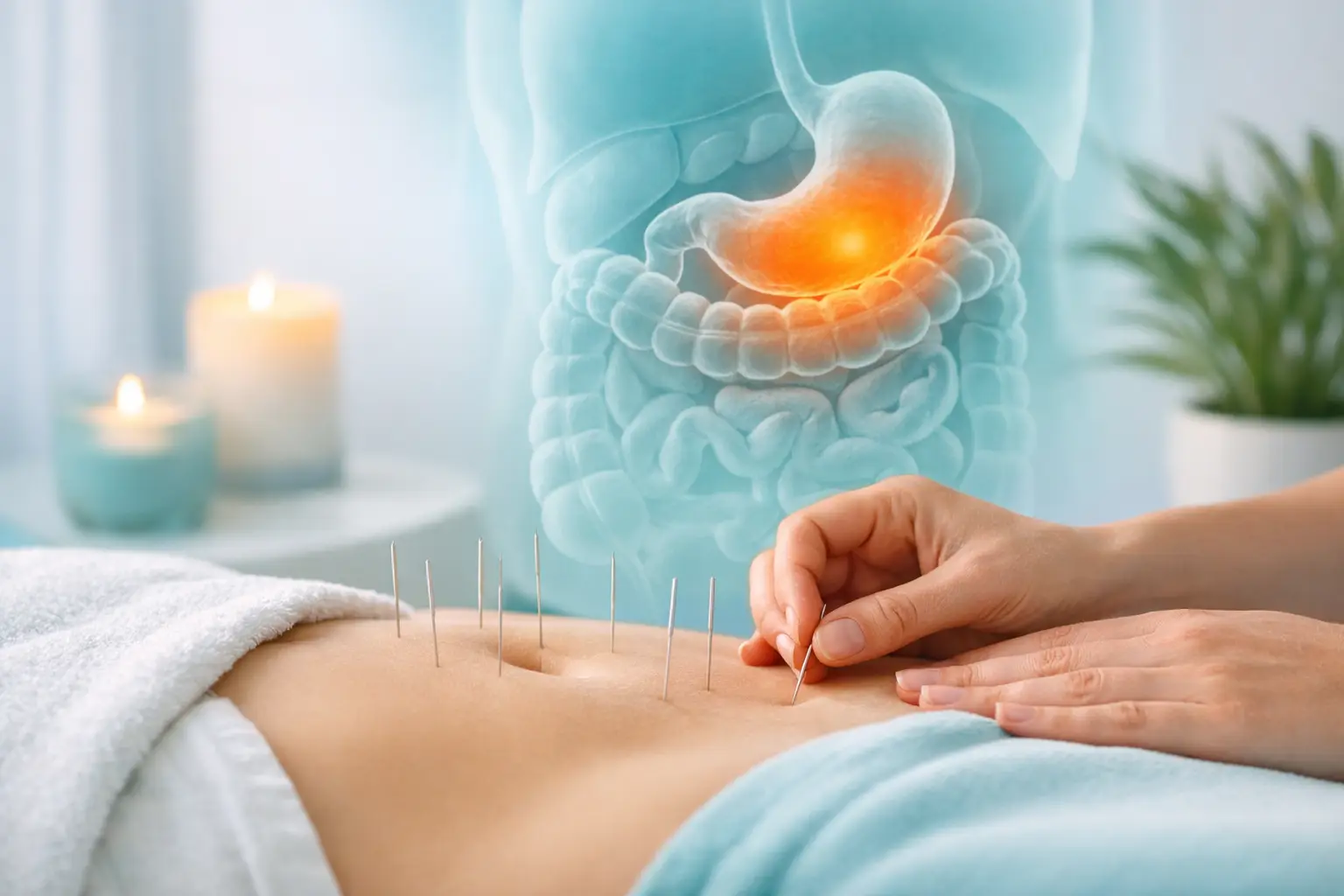
A meal out, a busy workday or a stressful week can be enough to set off bloating, cramps, reflux or an urgent dash to the bathroom. If you are asking, does acupuncture help digestive issues, the honest answer is that it may help some people, particularly when symptoms are connected with stress, gut sensitivity, pain or disrupted bowel habits. It is not a one-size-fits-all cure, and it should not replace medical assessment when symptoms are new, severe or concerning.
Acupuncture is often used as part of a whole-person approach to digestive health. Rather than treating the gut in isolation, a qualified practitioner considers sleep, stress load, food patterns, movement, pain, hormones and nervous system regulation. For many people, that broader view matters because digestion is closely linked to how safe, settled and supported the body feels.
How acupuncture may support digestive health
Acupuncture involves the gentle placement of very fine, single-use needles at specific points on the body. Traditional Chinese medicine uses these points to support balance and healthy body function. From a modern perspective, acupuncture may influence pain signalling, the autonomic nervous system and the body’s stress response.
Your digestive system is richly connected to the nervous system. When you are under pressure, rushing between commitments or carrying persistent anxiety, the body can stay in a heightened state of alert. This may affect gut motility, sensitivity and the way your body processes food. That is why digestive symptoms can flare during a demanding period even when your diet has not changed much.
Acupuncture may support relaxation and help settle an overactive stress response. Some people notice reduced abdominal tension, less cramping, more regular bowel movements or improved sleep after a course of care. Others find that their symptoms are less disruptive, even if they have not disappeared entirely.
The response varies. Digestive concerns have many possible causes, so the right treatment plan depends on your diagnosis, symptom pattern, general health and current medical care.
Does acupuncture help digestive issues such as IBS and bloating?
Irritable bowel syndrome, or IBS, is one of the most common reasons people seek complementary support for digestion. It can involve abdominal pain, bloating, diarrhoea, constipation or alternating bowel habits. Symptoms are real and can significantly affect confidence, work, social plans and quality of life, even when scans and tests do not show a structural problem.
Research into acupuncture for IBS and other functional digestive conditions is mixed, but encouraging for some people. Studies suggest it may help improve symptoms such as pain and overall wellbeing, particularly when stress is a known trigger. At the same time, acupuncture does not work equally for everyone, and research methods differ between studies. It is best viewed as a supportive option within a personalised plan rather than a promise of a cure.
People may also seek acupuncture support for functional dyspepsia, which can cause upper-abdominal discomfort, early fullness, nausea or indigestion without an obvious structural cause. Again, treatment may be most helpful when gut sensitivity and stress are part of the picture.
For bloating, acupuncture can be considered alongside practical investigation of meal timing, constipation, food intolerances, hydration, sleep and stress. Bloating is common, but persistent or worsening bloating deserves proper assessment rather than being dismissed as something you simply have to live with.
What a personalised treatment plan can look like
Your first acupuncture appointment should begin with a detailed conversation. A practitioner may ask about your symptoms, bowel habits, appetite, sleep, energy, stress, menstrual cycle where relevant, medications and health history. They will also want to understand what improves or aggravates your symptoms and whether you have already had medical investigations.
Treatment itself is usually calm and unhurried. Needles may be placed in points on the arms, legs, abdomen, back or ears, depending on your presentation. Most people feel little more than a brief sensation as the needles are inserted, followed by warmth, heaviness or deep relaxation. You remain comfortably supported on the treatment table while the practitioner monitors your response.
A plan may include a short initial series of appointments, followed by review. Some people notice changes within a few sessions, while long-standing or complex digestive concerns can require more time. Progress is not measured only by whether symptoms vanish. It may include fewer flare-ups, less intense discomfort, better sleep, improved stress tolerance and a clearer understanding of your triggers.
At Neurohealth Wellness, acupuncture can be considered alongside other supportive care where appropriate, including massage, myotherapy, chiropractic care and hypnotherapy. For example, someone whose IBS symptoms worsen with anxiety may benefit from a plan that supports both body tension and the stress patterns affecting their gut. Integrated care does not mean doing every therapy at once. It means selecting the care that best fits your needs and goals.
When acupuncture may be most useful
Acupuncture is often most valuable when it forms one part of a wider health plan. If constipation is contributing to bloating, your practitioner may discuss hydration, movement and whether your diet is providing enough fibre for your individual needs. If reflux is troubling you, meal timing, alcohol, coffee, certain foods and sleep position may need attention too.
For people living with IBS, identifying the relationship between symptoms and stress can be especially useful. This does not mean the symptoms are “all in your head”. It means the gut and brain communicate continuously. Supporting nervous system regulation can be a practical and compassionate part of digestive care.
Acupuncture may also suit people who want a non-drug option to complement medical treatment, or those who are looking for hands-on, practitioner-led support while they make sustainable lifestyle changes. If you are pregnant, taking medication, have a bleeding disorder or have a significant health condition, let your practitioner know so treatment can be tailored safely.
When digestive symptoms need medical attention first
Complementary care should always sit alongside appropriate medical care. See your GP promptly if you have blood in your stool, black or tarry bowel motions, unexplained weight loss, persistent vomiting, trouble swallowing, fever, severe or escalating pain, ongoing diarrhoea, a new bowel change after age 50, or a family history of bowel cancer or inflammatory bowel disease.
You should also seek assessment if symptoms wake you at night, interfere substantially with eating, or have begun suddenly without a clear explanation. Conditions such as coeliac disease, inflammatory bowel disease, endometriosis, gallbladder disease, ulcers and medication side effects can all create digestive symptoms that need specific investigation and treatment.
A good acupuncture practitioner will welcome medical diagnosis and work within it. Clear communication between your healthcare providers helps ensure your care is safe, coordinated and appropriate.
Small changes that can support your treatment
It can help to keep a simple symptom diary between appointments. Note meals, symptoms, stress levels, sleep and bowel habits without becoming overly restrictive or anxious about food. The goal is to notice patterns, not to blame yourself for every flare-up.
Aim for regular meals where possible, gentle daily movement and enough time to eat without rushing. Even a few slow breaths before a meal can signal to the body that it is safe to shift out of high alert. If food restriction is becoming complicated or stressful, a dietitian can provide valuable guidance, particularly for approaches such as a low-FODMAP diet.
Digestive symptoms can feel isolating, but they are common and deserve thoughtful care. If your gut is affecting how you eat, work, sleep or enjoy life, a personalised assessment can help you understand the possible drivers and choose practical next steps with confidence.


