


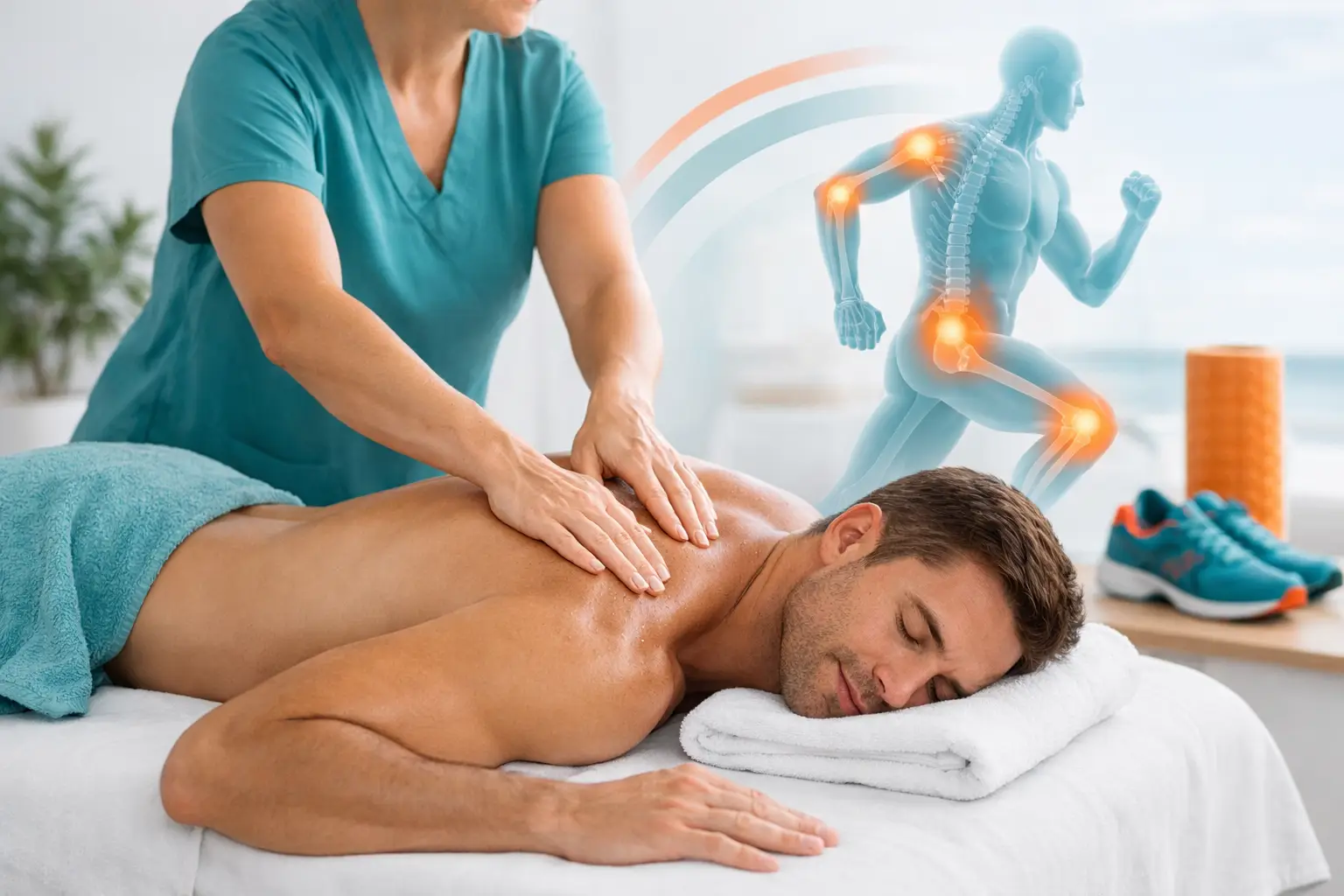
That tight calf after a run, the stiff neck from hours at a desk, the shoulder that never quite settles after training - recovery is not always as simple as resting for a few days. For many people, how remedial massage aids recovery comes down to something practical: helping the body release tension, move more freely and heal with less strain.
Remedial massage is not just about feeling relaxed for an hour. It is a hands-on treatment designed to assess and work through muscle tightness, soft tissue restrictions and areas of overload that may be slowing your recovery. Whether you are dealing with sports soreness, postural strain, a flare-up of back pain or the physical effects of stress, the goal is to support better function so your body can recover more effectively.
What remedial massage is really doing
Remedial massage focuses on muscles, fascia and soft tissues that have become tight, irritated or overworked. A trained practitioner does not simply work over the whole body in the same way for every person. They look at where you are holding tension, how you are moving, what may be contributing to the problem and how treatment can be tailored to your needs.
That matters because recovery is rarely one-size-fits-all. A runner with tight hips and calves needs a different approach from an office worker with upper back tension, or a parent carrying a baby with ongoing shoulder and wrist discomfort. The treatment can be gentle or firm depending on the area, the stage of recovery and how sensitive the tissues are.
In many cases, remedial massage helps by reducing the load on irritated structures. If a muscle is tight and pulling unevenly through a joint, that can affect movement and increase discomfort. Releasing that tension may help the body move more efficiently and with less compensation.
How remedial massage aids recovery after injury and strain
When people ask how remedial massage aids recovery, they are usually asking whether it can actually help them get back to normal sooner. The short answer is yes, in the right context. It can be especially useful when pain or restriction is being maintained by muscle guarding, stiffness or poor movement patterns.
After a minor strain, repetitive overuse issue or training-related niggle, tissues often become tight and protective. The body does this for a reason, but sometimes that guarding lingers longer than it needs to. Remedial massage may help calm that pattern, improve local circulation and reduce the sense of tightness that makes movement feel difficult.
It can also support recovery by improving range of motion. If your hips, shoulders or back are restricted, you may keep loading the same structures again and again. Better mobility can mean better mechanics, and better mechanics often mean less irritation over time.
That said, timing matters. A fresh injury may not always suit immediate deep tissue work. In the very early stages, some areas need a gentler approach or a combination of care strategies. This is where practitioner judgement is important. Good treatment is not about pushing harder. It is about understanding what the tissue can tolerate and what will genuinely help.
Benefits for sports recovery and performance
For active adults and athletes, recovery is not only about getting rid of soreness. It is also about maintaining performance, preventing overload and staying consistent with training. Remedial massage can play a valuable role here.
After hard training, muscles can feel heavy, tight or fatigued. Massage may help reduce that post-exercise tension and improve how the body feels in the following days. Many people notice they move more comfortably, recover confidence in the affected area and return to activity with less stiffness.
This can be particularly helpful for common sports injuries affecting ankles, knees, hips, shoulders, elbows and wrists. These problems are often not isolated to one spot. A sore knee, for example, may involve tight quads, overloaded calves or hip restrictions that change the way you run, squat or climb stairs. Treating the surrounding tissues can support a more complete recovery.
There is also a preventative side. If your body is constantly carrying tension from training volume, technique issues or old injuries, remedial massage may help identify patterns before they become bigger setbacks. It is not a guarantee against injury, but it can be a useful part of a broader rehabilitation and performance plan.
The connection between pain, stress and muscle tension
Recovery is not always about sport or physical injury. Sometimes the body is recovering from ongoing stress, poor sleep, work pressure or long periods of sitting. These factors can increase muscle tension and make pain more persistent.
A common example is the person with headaches, jaw tightness, neck pain and upper back stiffness after months of stress and screen time. Their muscles may be doing far more work than they need to, and their nervous system may be staying in a more guarded state. In these cases, remedial massage may help ease physical tension while also giving the body a chance to shift out of that constant bracing pattern.
This is one reason a holistic approach matters. Pain is not always just local. Emotional strain, fatigue and posture can all influence how the body feels and heals. Hands-on care can be a meaningful part of recovery, especially when paired with strategies that support the nervous system, movement and overall wellbeing.
What to expect from a personalised treatment
A thoughtful remedial massage session should begin with understanding the issue, not just treating the symptom. That means asking where the pain is, how long it has been there, what makes it worse, what activities matter to you and whether there are other contributing factors such as stress, training load or previous injury.
From there, treatment may focus on the problem area as well as the surrounding muscles and connective tissues. Sometimes the sorest area is not the main driver. A tight hip can contribute to lower back discomfort. A restricted upper back can increase strain through the neck and shoulders. Treating the wider pattern often leads to better results than chasing pain alone.
You may also be given simple advice after your session, such as mobility work, hydration, pacing or other therapies that could support healing. In a multidisciplinary setting like Neurohealth Wellness, remedial massage can sit alongside chiropractic care, myotherapy, acupuncture or other treatment approaches when that is appropriate. For some people, that integrated support helps recovery feel more complete and more sustainable.
When remedial massage may be most helpful
Remedial massage is often useful for muscular tension, overuse injuries, postural strain, recovery after exercise and general movement restrictions. It can also help people managing recurring tightness that affects day-to-day comfort, from lower back stiffness to shoulder tension and sore hips.
It may be especially worthwhile if you feel like rest alone is not resolving the problem, or if you keep returning to the same discomfort whenever you train, work or lift the kids. That repeated cycle often suggests there is an underlying movement or soft tissue issue worth addressing.
Still, there are times when massage is not the whole answer. If pain is sharp, worsening, associated with significant swelling, numbness, weakness or a recent traumatic injury, you may need a broader assessment first. The right care depends on what is driving the problem.
Recovery works best when the whole body is considered
The most effective recovery plans usually do not rely on one treatment alone. Remedial massage can reduce tension and improve mobility, but long-term change may also involve strengthening, better movement habits, load management and support for stress or sleep when those are part of the picture.
That is why personalised care matters so much. Two people with the same area of pain may need very different treatment plans. One may need regular hands-on work through a demanding training block. Another may improve quickly with a few sessions and some home exercises. Someone else may benefit from combining massage with another modality to address both physical strain and nervous system overload.
Recovery is not about forcing the body back into action before it is ready. It is about giving it the right support at the right time.
If you have been putting up with ongoing tightness, recurring pain or slow healing, remedial massage may be a gentle but effective way to help your body reset, move better and feel more supported in the process.


