


A sore heel when you get out of bed. A shoulder that complains every time you reach overhead. A stubborn tennis elbow that keeps flaring up long after you thought it should have settled. This is often where questions about how shockwave therapy heals begin - not in theory, but in the frustration of pain that lingers and limits daily life.
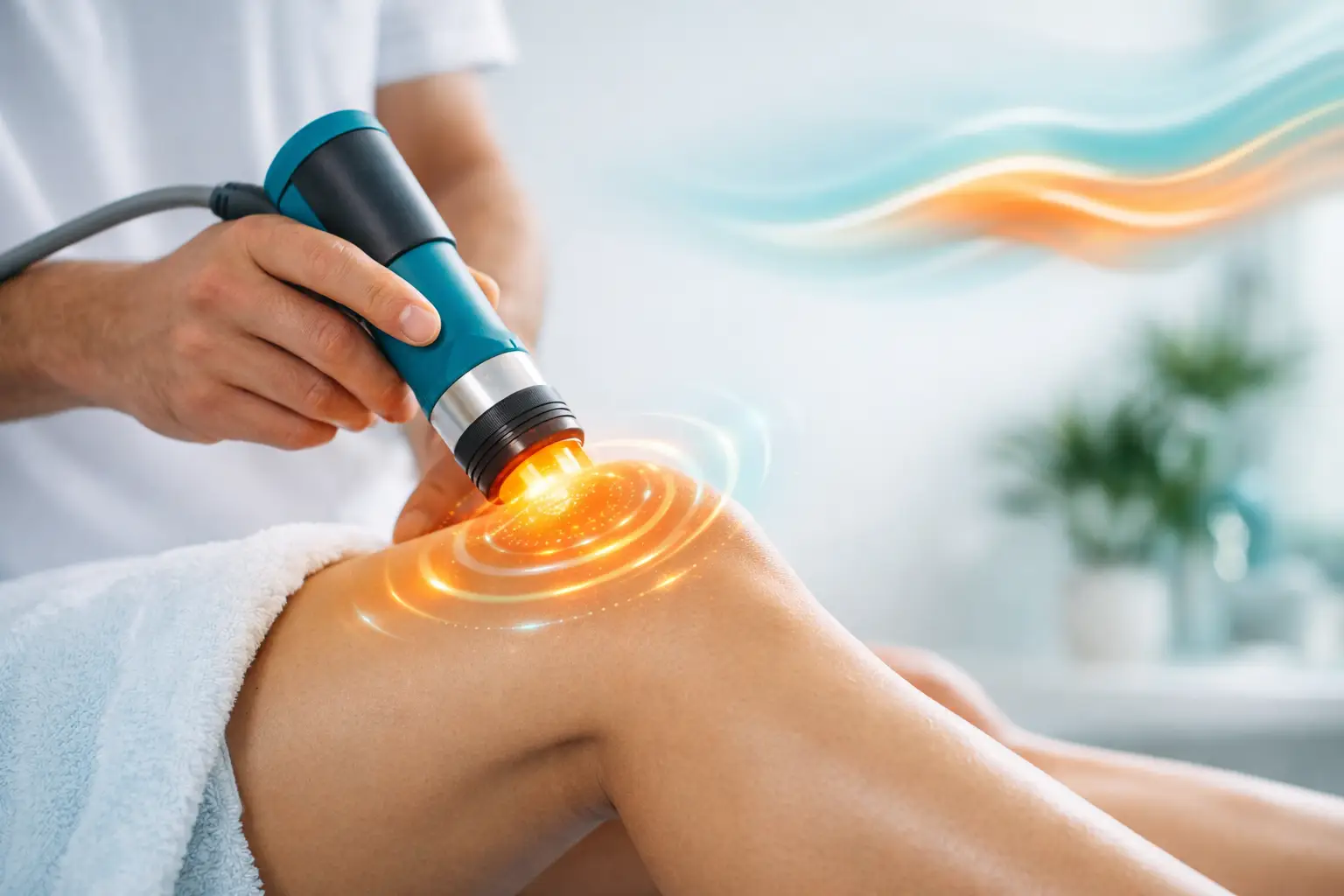
Shockwave therapy is used when soft tissue pain has become persistent, especially around tendons, fascia and other areas that are slow to recover on their own. It is a non-surgical treatment that delivers acoustic waves into the injured area. Those waves create a controlled mechanical stimulus, which sounds technical, but the practical goal is simple: encourage the body to restart and improve its natural healing response.
How shockwave therapy heals injured tissue
When tissue has been irritated for weeks or months, it can get stuck in an unhelpful cycle. Blood flow may be poor, the area may stay tight and sensitive, and the body may not be repairing the tissue as effectively as it should. This is common in conditions like plantar fasciitis, Achilles pain, tennis elbow, calcific shoulder pain and other overuse injuries.
Shockwave therapy works by sending targeted pulses into that area. These pulses do not heal the tissue in a magical or instant way. What they do is stimulate biological activity. That may include increased local circulation, improved cellular repair processes and a reduction in the pain signals coming from the affected tissue. In plain terms, it nudges the body to pay attention to an area that has not been healing well enough.
Another reason people respond well to shockwave therapy is that it can help change the quality of tight, thickened or irritated tissue. In chronic injuries, the problem is not always a fresh tear. Often, it is tissue that has become overloaded, disorganised or stiff over time. Shockwave therapy can help create an environment where healthier remodelling becomes more likely, especially when paired with the right rehabilitation plan.
Why some injuries need more than rest
Many people assume that pain should settle if they simply stop aggravating it. Sometimes that works. Sometimes it does not.
Tendons and fascia do not always have a rich blood supply, and that matters. Structures such as the Achilles tendon, the plantar fascia under the foot and the tendons around the elbow or shoulder can take longer to repair than muscle. If you add repetitive strain, poor biomechanics, changes in training load, postural stress or compensation from another injury, healing can stall.
That is why a whole-body assessment matters. The painful spot is only one part of the picture. If your calf strength is poor, your shoulder blade control is limited, or your hip and ankle mechanics are changing the way you move, the tissue may keep getting overloaded. Shockwave therapy can support healing, but lasting results usually come from treating both the local tissue and the reason it became irritated in the first place.
What shockwave therapy can help with
Shockwave therapy is commonly used for chronic tendon and soft tissue conditions. These often include plantar fasciitis, Achilles tendinopathy, patellar tendon pain, gluteal tendon pain, shin discomfort related to overload, tennis elbow, golfer's elbow and certain shoulder conditions, including calcific tendinopathy.
It can also be helpful in sports injury care and rehabilitation, especially when an athlete is dealing with a problem that keeps returning under load. Runners, gym-goers, surfers, tradies and office workers can all end up with the same pattern - tissue that is irritated, movement that becomes guarded, and a gradual drop in performance or comfort.
That said, shockwave therapy is not the right fit for every kind of pain. Acute injuries, fractures, some nerve-related symptoms and certain medical situations need a different approach. Good care starts with making sure the diagnosis is clear and the treatment actually matches the tissue involved.
What a session feels like
A lot of people are curious, and sometimes slightly nervous, about what treatment feels like. Shockwave therapy is usually described as intense but manageable. The sensation depends on the area being treated, how irritated it is and the settings used by your practitioner.
Treatment is typically brief. Gel is applied to the skin, and the device is placed over the injured area. The acoustic pulses are then delivered in a focused way. Some spots feel more tender than others, particularly where tissue has been chronically tight or inflamed. Your practitioner can adjust the intensity to keep the session productive while still tolerable.
You may feel a bit sore afterwards, similar to the awareness that follows deep tissue work or a solid exercise session. That does not mean damage has been done. It is usually part of the body's response to treatment. Most people are able to return to normal daily activity, although the exact advice depends on the injury and the broader rehab plan.
How shockwave therapy heals best when combined with rehab
One of the biggest misconceptions is that shockwave therapy is a standalone fix. For some people, it gives noticeable relief quite quickly. For others, the real value comes from making the tissue more responsive to exercise-based rehabilitation and hands-on care.
If a tendon has been overloaded for months, it usually needs more than symptom relief. It needs better load tolerance. That may involve strengthening, mobility work, changes to training volume, footwear advice, soft tissue treatment or support for joint mechanics. In a multidisciplinary setting, care can also include massage, myotherapy, chiropractic or acupuncture, depending on what the body needs.
This is often where integrated treatment makes a difference. A painful shoulder may benefit from shockwave therapy to the tendon, but also from work on thoracic mobility, neck tension and muscle control around the shoulder blade. A runner with Achilles pain may need calf loading, ankle mobility, gait advice and recovery support, not just treatment to the sore spot. Healing tends to be more complete when the plan matches the person, not just the condition.
How many sessions are usually needed?
It depends on the injury, how long it has been there, how irritated the tissue is and what else is contributing to it. Many people have a short course of treatment over several weeks rather than a once-off session. Chronic tendon problems often respond gradually, not overnight.
Some people notice changes after the first or second session. Others improve more steadily as treatment combines with exercises and reduced irritation from everyday movement. The goal is not just to calm pain for a few days. It is to help the tissue cope better in real life, whether that means walking the dog, getting through a workday, training for sport or simply sleeping without discomfort.
Who tends to benefit most?
People often get the best results when they have a clearly identified soft tissue condition, the pain has been hanging around despite rest or basic treatment, and they are willing to follow a broader rehabilitation plan. Shockwave therapy is especially useful for those persistent injuries that are not severe enough for surgery but are far too stubborn to ignore.
It can suit active adults who want to keep moving, parents chasing kids around on weekends, and workers whose pain is affecting daily function. It can also be valuable for athletes focused on sports performance, where even low-grade tendon pain can change strength, confidence and movement quality.
The most important part is proper assessment. Pain in the heel is not always plantar fasciitis. Pain at the side of the hip is not always just a tight glute. When treatment is matched to the right diagnosis, results are far more reliable.
A more reassuring way to think about recovery
If you have been dealing with a nagging injury, it is easy to feel as though your body has stopped healing. Usually, that is not the full story. More often, the tissue needs the right kind of stimulus, the right load and the right support to move forward.
That is the real answer to how shockwave therapy heals. It helps restart a healing process that may have slowed down, while giving the body a better chance to repair, adapt and move with less pain. In a clinic such as Neurohealth Wellness, that care is most effective when it sits within a personalised plan that looks at your movement, your lifestyle and the underlying drivers of the problem. If pain has been lingering longer than it should, a thoughtful assessment can be the first step towards feeling more comfortable, more mobile and more confident in your body again.


