


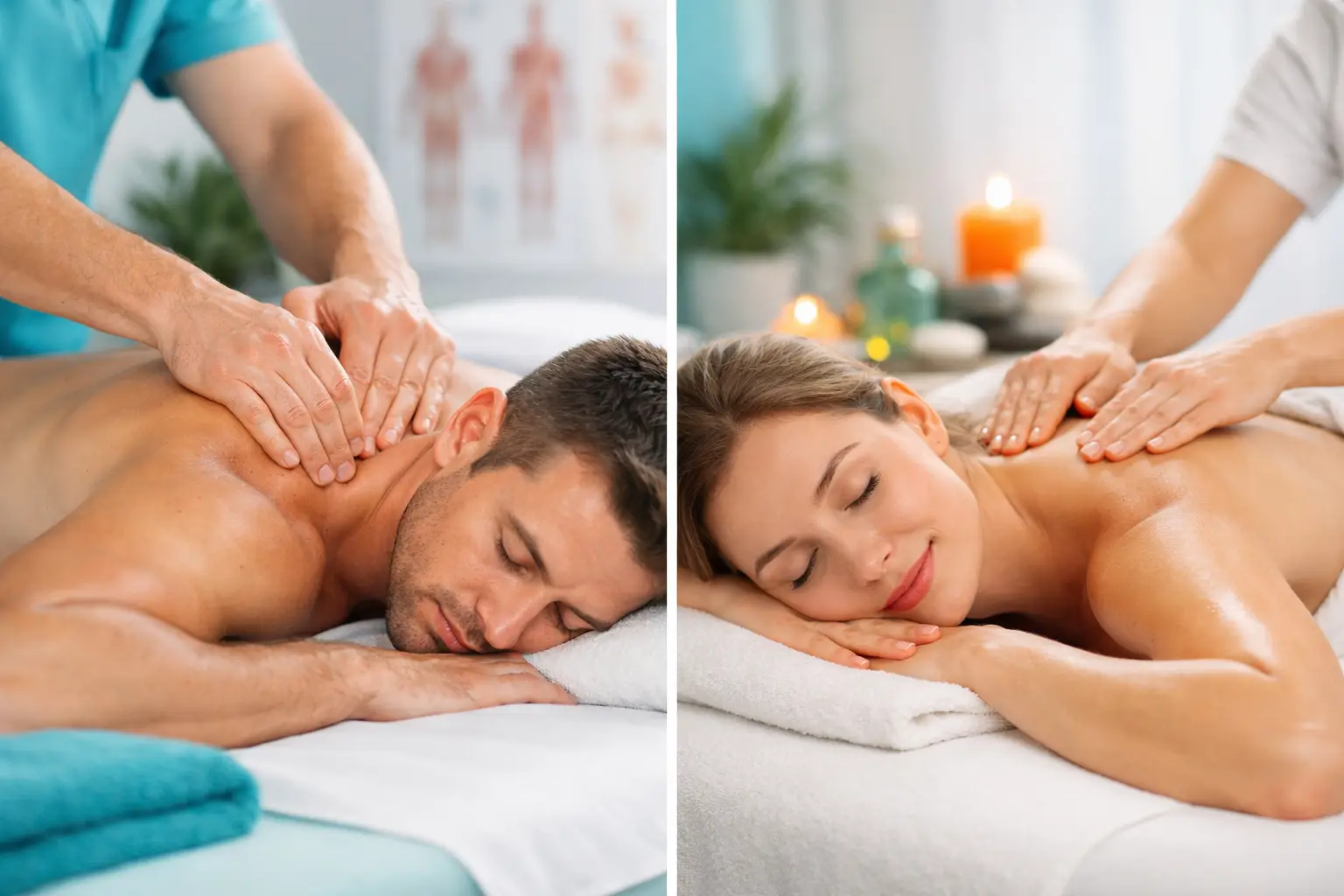
A sore neck after long days at a desk, tight calves after a run along the Northern Beaches, or a mind that simply will not switch off can all make massage sound appealing. But remedial massage versus relaxation massage is not simply a choice between firm pressure and a gentler treatment. Each has a different purpose, and choosing the right approach can make your session more comfortable, more useful and better aligned with your health goals.
Both styles can support wellbeing. The key difference is whether your priority is addressing a specific physical concern, such as pain, restriction or recovery from injury, or creating time for your body and nervous system to settle.
What is remedial massage?
Remedial massage is a targeted, assessment-based treatment designed to address muscles, joints and soft tissues that may be contributing to pain, reduced movement or altered function. It is commonly chosen by people managing sports injuries, persistent tension, postural strain, headaches linked to muscular tightness, or discomfort that is affecting daily life.
Your therapist will usually begin by discussing your symptoms, health history, activity levels and goals. They may assess movement, tenderness, muscle tone and areas of restriction before creating a treatment plan. This helps ensure the massage is tailored to you rather than following the same routine at every appointment.
Treatment may involve a combination of techniques, including deep tissue work, myofascial release, trigger point therapy, stretching and mobilisation. Pressure can be firm when appropriate, but remedial massage is not about pushing through pain. Skilled treatment works within your comfort and your body’s capacity on the day.
For example, a swimmer with shoulder discomfort may need focused work around the upper back, chest, shoulder and neck, alongside advice about recovery and movement. Someone with recurring lower-back tightness after sitting may benefit from treatment that considers the hips, glutes, abdominal tension and everyday posture, not just the area that feels sore.
When remedial massage may be the better fit
Remedial massage may suit you if you have a clear area of pain or stiffness, are returning to exercise after an injury, or notice that movement is limited by tightness. It can also be valuable for active adults and athletes who want to support performance, improve recovery and address small issues before they become more disruptive.
It is often delivered as part of a broader care plan. Depending on your needs, this may include rehabilitation exercises, mobility guidance or complementary care such as chiropractic, acupuncture or myotherapy. The goal is to support lasting improvement in function, not only provide short-term relief.
What is relaxation massage?
Relaxation massage is centred on calming the body and mind. It generally uses flowing strokes, gentle to moderate pressure and a slower pace to ease general muscular tension and encourage deep rest. Rather than focusing intensively on one injury or movement pattern, it treats the experience of stress held across the whole body.
Many people carry tension without realising it. It can show up as raised shoulders, a clenched jaw, shallow breathing, restless sleep or that feeling of being constantly ‘on’. A relaxation massage creates protected time to slow down, soften these patterns and reconnect with how your body feels.
The benefits can extend beyond the treatment room. When your nervous system has an opportunity to settle, you may feel calmer, sleep more soundly and have greater awareness of the habits or pressures that are leaving you depleted. For busy parents, professionals, carers and anyone feeling stretched, this can be an important part of maintaining wellbeing.
Relaxation massage can still ease everyday aches and muscle tightness. However, it is not intended to diagnose or treat a particular injury in the same structured way as remedial massage. If pain is persistent, sharp, worsening or affecting your ability to move, a remedial assessment is usually the more appropriate starting point.
Remedial massage versus relaxation massage: key differences
The most useful distinction comes down to intention. Remedial massage is therapeutic and problem-focused. It begins with an assessment and uses targeted techniques to address a particular complaint, improve movement or support recovery. Relaxation massage is restorative and whole-body focused. Its purpose is to reduce general tension and create a sense of calm.
The pressure can differ, although this is not a reliable way to choose. A relaxation massage can include moderately firm work if you enjoy it, while remedial treatment may be quite gentle around an acute injury, sensitive area or irritated muscle. More pressure does not automatically mean better results.
The structure of the appointment is also different. A remedial session may include reassessment throughout, focused work on one or two areas and practical recommendations to support your progress between visits. A relaxation session is usually more consistent and flowing, allowing you to rest without needing to think about symptoms or performance goals.
Health fund eligibility may also vary. In Australia, remedial massage is commonly claimable through eligible extras cover when provided by an appropriately qualified therapist, while relaxation massage is generally not. Your level of cover and fund rules determine what you can claim, so it is worth checking before your appointment.
How to choose the massage your body needs
Start with the reason you are booking. If your goal is to address an injury, recurring pain, reduced flexibility or a specific restriction, remedial massage is likely to offer the more targeted support. This is especially relevant if you are preparing for an event, recovering after sport, managing the physical demands of work or trying to get back to activities you enjoy.
If you are feeling mentally overloaded, generally tense or overdue for quiet time, relaxation massage may be exactly what you need. It offers a nurturing pause from the pace of daily life and can be a practical way to support stress management alongside healthy sleep, movement and other self-care.
Sometimes the answer is not either-or. A person may begin with remedial care to address a painful shoulder or tight hip, then choose relaxation massage once the main problem has settled. Equally, someone who books for relaxation may discover a recurring issue that would benefit from a more focused assessment next time.
Your therapist should listen to what is happening in your body, explain their recommendations clearly and adapt the treatment to your comfort. Tell them about recent injuries, surgeries, pregnancy, medical conditions, medications or changes in symptoms. This information helps them provide care safely and appropriately.
Massage during pregnancy, training and stressful periods
Pregnancy can bring changes in posture, sleep, circulation and muscular comfort, making both therapeutic and relaxation-focused massage valuable at different stages. Treatment should always be adapted for pregnancy, with positioning and techniques chosen for comfort and safety.
For sport and exercise, remedial massage can be helpful when a niggle is changing how you run, lift, cycle, swim or play. It should complement sensible training loads, recovery, strength and rehabilitation, rather than replace them. Seeking care early can be particularly helpful when pain begins to affect technique or confidence.
During stressful periods, relaxation massage may be the more appropriate choice even if you also have a few tight spots. Stress can influence muscle tension, breathing and sleep, and a gentler session may leave you feeling more restored than an intensive treatment would.
A personalised approach makes the difference
Massage is most effective when it reflects the person on the table, not just the label on the appointment. At Neurohealth Wellness, our practitioners take a whole-body view of pain, movement, stress and recovery, helping you choose care that suits your goals and current needs.
If you are unsure where to begin, book a conversation with a qualified massage therapist and describe what you are experiencing. Whether your body needs focused support to move with greater ease or a calming space to recharge, the right treatment should leave you feeling heard, comfortable and better supported in your next step.


