


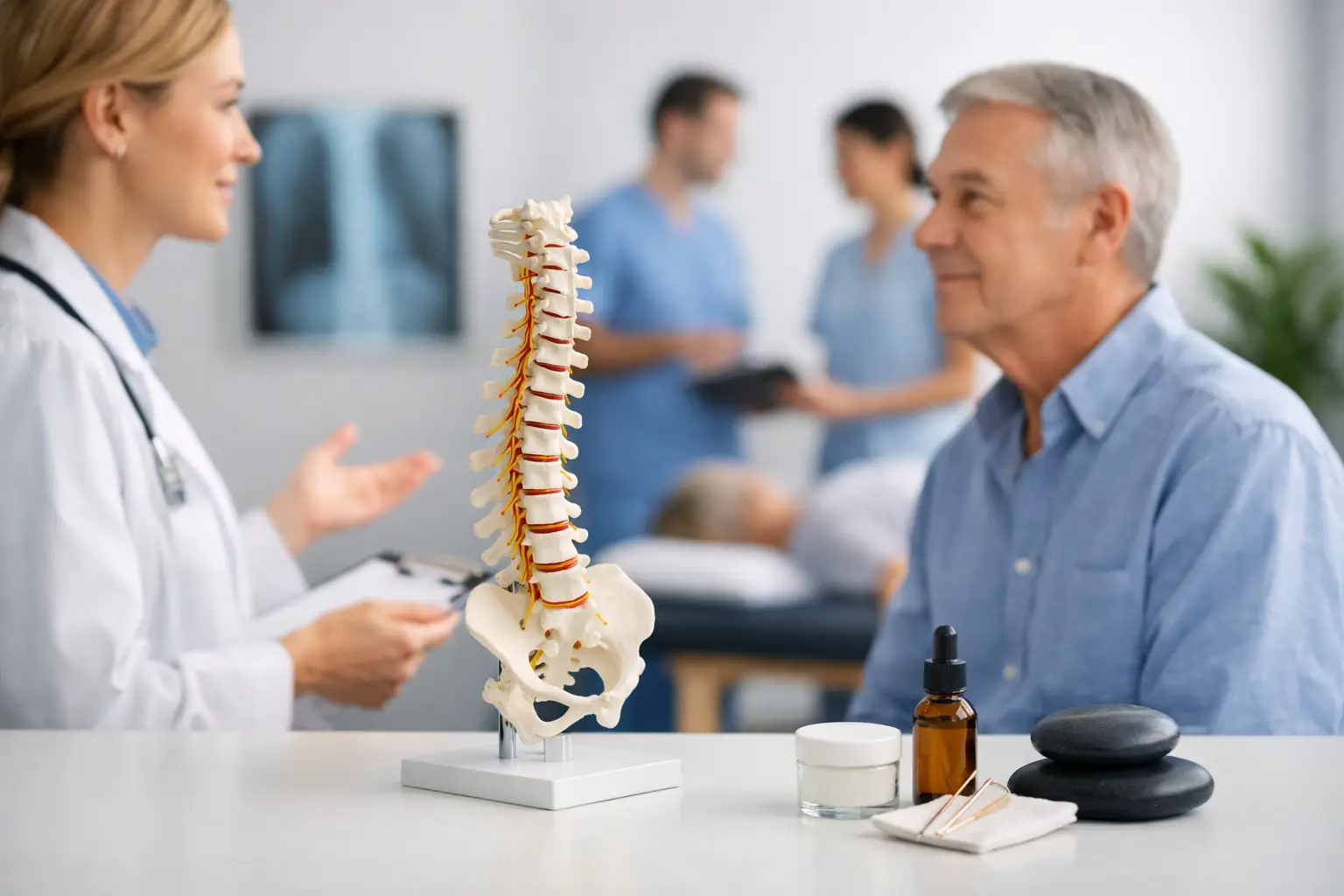
Pain rarely starts and ends in one spot. A stiff neck can be tied to desk posture, stress, poor sleep, old shoulder injuries, or the way your nervous system has adapted after months of tension. That is why a guide to integrated pain management matters. It helps people understand why lasting relief often comes from looking at the whole person, not just the sore area.
For many people, pain management has meant chasing symptoms. When the back flares up, they rest. When the headache returns, they push through the day. When the knee keeps complaining after sport, they wait for it to settle. Sometimes that works for a short period. Often, it does not. Pain can become repetitive, frustrating, and limiting because the drivers behind it have not been properly addressed.
What integrated pain management really means
Integrated pain management is a whole-body, personalised approach to reducing pain and improving function. Rather than relying on a single therapy or a one-size-fits-all plan, it brings together different forms of care based on what your body and lifestyle actually need.
That might include hands-on treatment to ease muscle tension, chiropractic care to improve joint movement, acupuncture to calm pain responses, or hypnotherapy to support the stress and emotional patterns that can amplify discomfort. In some cases, rehabilitation exercises, postural advice, or recovery-focused therapies also play an important role.
The goal is not to throw every treatment at a problem. It is to choose the right combination, in the right order, for the right person. That distinction matters. Good integrated care is thoughtful, not excessive.
Why pain is often more complex than it looks
Pain is physical, but it is not only physical. Muscles, joints, fascia, movement habits, sleep quality, stress levels, workload, training load, and nervous system sensitivity can all shape how pain is felt and how long it sticks around.
Take lower back pain as an example. One person may be dealing with poor hip mobility and long hours at a computer. Another may have flare-ups linked to stress, shallow breathing, and poor sleep. A third may have a sporting injury that changed the way they move through the pelvis and legs. The symptom is similar. The care plan should not be.
This is where integrated care becomes especially valuable. It allows practitioners to look beyond the obvious and build treatment around the factors keeping the pain cycle going.
A practical guide to integrated pain management
A useful guide to integrated pain management starts with assessment, not assumptions. Before treatment begins, there needs to be a clear understanding of what hurts, how long it has been happening, what aggravates it, and what else may be contributing.
A thorough assessment usually looks at your movement, posture, muscle tension, joint function, injury history, work demands, exercise habits, stress load, and general wellbeing. For some people, pain is mostly mechanical. For others, it is closely tied to nervous system overload or emotional strain. Many sit somewhere in between.
From there, care is tailored. That may involve one primary therapy supported by another, or a staged plan where treatment changes as your body improves. Early care may focus on easing pain and restoring movement. Later care may shift towards strength, resilience, and prevention.
How different therapies can work together
One of the strengths of integrated pain management is that each therapy can support a different part of the picture.
Chiropractic care may help when joint restriction, spinal tension, or movement imbalance is contributing to discomfort. Remedial massage and myotherapy can address muscle tightness, overuse patterns, soft tissue strain, and recovery after physical load. Acupuncture may assist with pain modulation, muscle tension, stress-related symptoms, and overall regulation of the body. Hypnotherapy can be a valuable support where chronic pain is affected by anxiety, poor sleep, hypervigilance, or long-standing stress.
Additional approaches such as dry needling, shockwave therapy, laser therapy, or rehabilitation advice may also be appropriate depending on the condition. For a sports injury, for example, reducing inflammation and pain is only one part of the job. Restoring movement quality, strength, and confidence is just as important if you want to return to activity well.
The point is not that every person needs every option. The point is that pain often improves best when treatment is coordinated around the person, rather than squeezed into one narrow method.
Who integrated care can help
This approach can be helpful for a wide range of concerns. Office workers often present with neck pain, shoulder tension, headaches, jaw tightness, and lower back discomfort linked to posture and long sedentary days. Active adults and athletes may be dealing with ankle sprains, knee pain, hip tightness, shoulder strain, tennis elbow, or recurring overload injuries that affect performance.
Pregnant women and new mothers often need care that is gentle, adaptable, and supportive of changing biomechanics, pelvic comfort, sleep, and recovery. Families may also seek support for children with postural issues, tension, or musculoskeletal discomfort. Others are managing persistent pain that has become intertwined with stress, fatigue, and reduced confidence in movement.
Integrated care can suit all of these groups because it allows treatment to be adjusted to life stage, activity level, and the bigger health picture.
What a personalised plan may look like
A personalised plan should feel clear and manageable, not overwhelming. In a straightforward case, a person with acute shoulder pain after training may need a short course of hands-on treatment, advice on load management, and rehab to improve function. In a more persistent case, someone with chronic headaches may need a combination of manual care, acupuncture, sleep support, and strategies to settle the nervous system.
There are trade-offs to consider. Some people want quick symptom relief so they can get through work or sport. Others are ready to commit to broader changes that may take longer but offer better long-term outcomes. Neither goal is wrong. What matters is being honest about what your body needs and what you can realistically maintain.
A good practitioner will also tell you when integrated care needs to be complemented by further medical investigation. Holistic care should be thoughtful and safe, not dismissive of red flags.
What to expect from integrated pain management
Most people want to know one thing first - will it help? The honest answer is that it depends on the nature of the pain, how long it has been there, what is driving it, and how consistently the care plan is followed.
Some people feel relief quickly when the main mechanical issue is identified and treated. Others improve more gradually, especially if pain has been present for months or years. Chronic pain often involves a sensitised nervous system, reduced movement confidence, and compensations through other parts of the body. That usually calls for patience as well as skilled treatment.
You should expect your care to have direction. That means understanding the likely cause, the purpose of each treatment, and what progress will look like. Relief matters, but so does function. Being able to turn your head comfortably, sleep through the night, train without flare-ups, or get through a workday with less tension are meaningful markers of improvement.
Why a multidisciplinary clinic can make the process easier
When different therapies are available under one roof, care can be more connected. Instead of bouncing between unrelated providers, patients can benefit from a treatment approach that considers how body mechanics, muscle function, recovery, stress, and nervous system health interact.
For people on the Northern Beaches, that can make a real difference. Busy schedules, sport commitments, work pressure, parenting demands, and long-term niggles all add complexity to recovery. A multidisciplinary setting can simplify the process by matching the right therapy to the right stage of healing.
At Neurohealth Wellness, this kind of care is built around the idea that pain relief should support better movement, better function, and a better quality of life. That is particularly valuable when pain has more than one driver.
When to seek support
If pain keeps returning, limits your movement, affects sleep, changes how you train, or leaves you relying on short-term fixes, it is worth getting it properly assessed. The earlier contributing factors are identified, the easier it often is to prevent a short-term problem from becoming a longer-term one.
You do not need to wait until pain is severe. Persistent tightness, recurring headaches, reduced mobility, postural strain, and low-grade discomfort after work or exercise can all be signs that your body is compensating.
Integrated pain management is not about chasing perfection. It is about giving your body the right support, at the right time, so you can move more freely and get back to the parts of life that matter most.


