


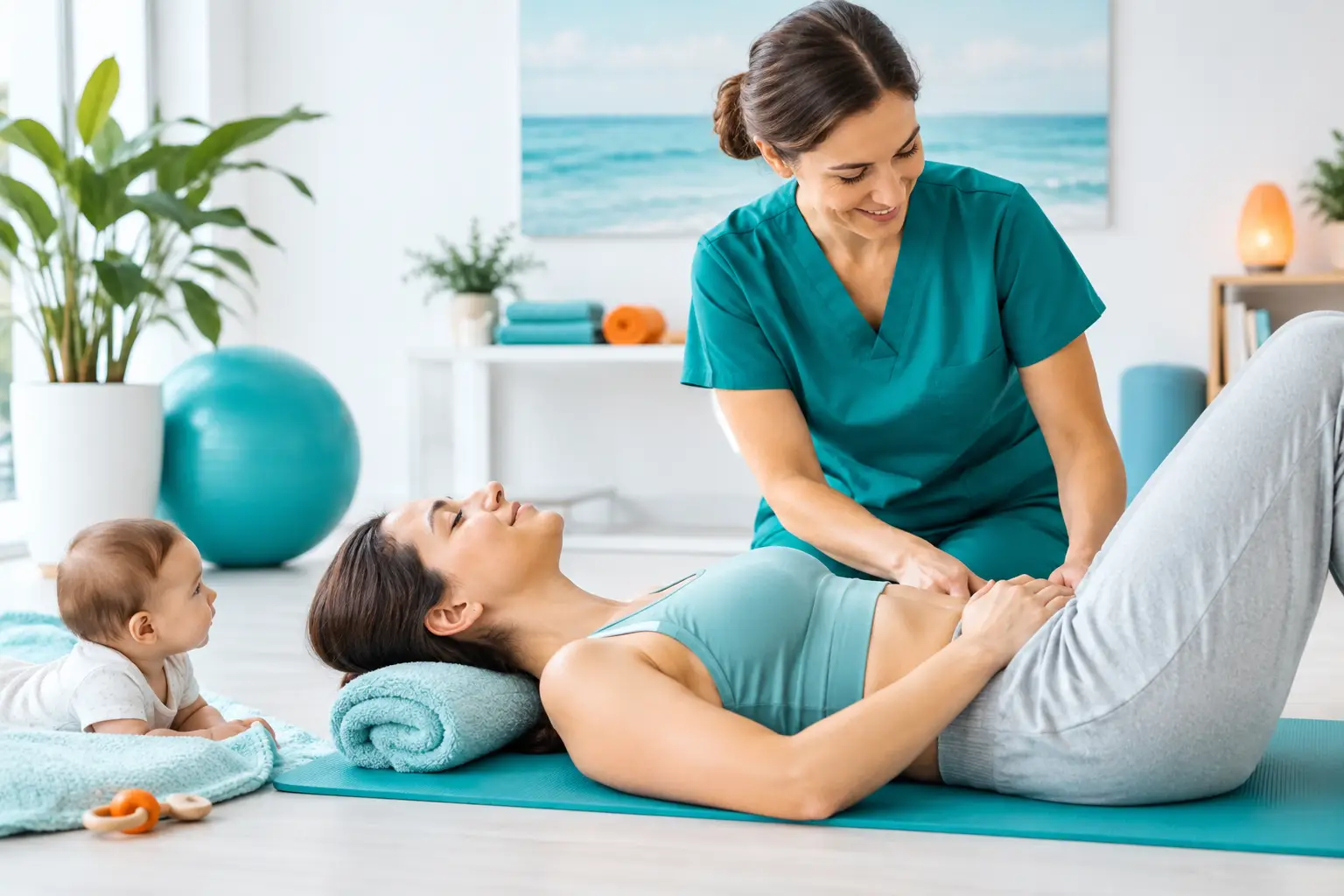
The early weeks after birth can feel wonderfully tender and surprisingly physical. Feeding positions, broken sleep, carrying a growing baby and the recovery from pregnancy itself can all ask a great deal of your body. The best postpartum recovery therapies are not about rushing you back to your pre-baby self. They are about supporting healing, comfort, confidence and sustainable movement in the body you have now.
Every postpartum experience is different. Whether you had a vaginal birth, caesarean birth, assisted delivery, perineal tear, pelvic pain during pregnancy or a relatively straightforward recovery, care should be guided by your symptoms, birth history and goals. A thoughtful approach considers more than the sore spot. It looks at posture, breathing, mobility, sleep, stress, nervous system load and the practical demands of caring for a baby.
What does postpartum recovery actually involve?
Postpartum recovery is not limited to the six-week check-up. Your uterus, abdominal wall, pelvic floor, joints, circulation and hormones all adjust after birth. Ligaments may remain more flexible for a time, especially while breastfeeding, and the repeated tasks of feeding, rocking, lifting and settling can quickly create tension through the neck, shoulders, wrists, back and hips.
Emotional wellbeing belongs in this picture too. New parenthood can bring joy alongside overwhelm, anxious thoughts, sleep disruption and a sense of disconnection from your own body. The right therapy is one that meets you where you are, adapts to your stage of healing and works alongside your GP, obstetrician, midwife or pelvic health physiotherapist when needed.
The best postpartum recovery therapies for whole-body care
There is no single treatment that suits every new mum. Often, the most helpful plan combines gentle hands-on support with guided movement, appropriate medical follow-up and space to address stress. These are therapies commonly considered for postpartum comfort and recovery.
Remedial and therapeutic massage
Postnatal massage can be a welcome way to ease the muscular load of new motherhood. Feeding and holding a baby often draw the shoulders forwards, while awkward sleep positions and lifting can strain the lower back, glutes and hips. A qualified therapist can tailor pressure and positioning to help release tight muscles, improve comfort and restore a sense of ease in movement.
Massage is not a substitute for assessment of persistent pain, numbness or weakness. However, it can work very well alongside exercise guidance or other care when tightness and fatigue are contributing to discomfort. Let your therapist know if you have had a caesarean birth, complications, a history of blood clots, mastitis symptoms or any areas that feel particularly sensitive.
Chiropractic care for postural strain and mobility
Pregnancy and early parenting can change the way you move. A gentle, individualised chiropractic assessment may help identify restrictions through the spine, pelvis and surrounding joints that are affecting comfort or function. Care may include hands-on techniques, soft tissue work, mobility advice and practical strategies for feeding, lifting and carrying.
The aim is not to force your body into position. It is to support better movement and reduce the strain that can build through repetitive daily tasks. Postpartum chiropractic care should be adapted to your comfort, healing stage and clinical needs, particularly after a caesarean birth or a difficult delivery.
Acupuncture for pain, tension and calm
Acupuncture is often chosen by women seeking a gentle complementary option for muscular tension, headaches, stress or disrupted sleep. Treatment involves the placement of very fine needles at selected points, with the approach tailored to your symptoms and health history.
For some people, acupuncture provides a valuable pause in a demanding season. It may support relaxation while addressing areas of pain and tension. Results vary, and it is best viewed as part of a broader care plan rather than a quick fix. Tell your practitioner if you are breastfeeding, taking medication or managing any medical condition so treatment can be planned appropriately.
Myotherapy and dry needling for stubborn muscular pain
When a specific muscle group remains tight or painful, such as the upper back, jaw, glutes or forearms, myotherapy may be useful. A myotherapist assesses how muscles, joints and movement patterns are working together, then may use manual therapy, stretching, exercise advice or dry needling where appropriate.
Dry needling is not suitable for everyone, and it should never be treated as the default answer to postpartum pain. It can be considered when a thorough assessment points to persistent muscle tension, but gentler care may be preferable early in recovery or when you are feeling depleted. Good care is always responsive rather than one-size-fits-all.
Pelvic health physiotherapy
Pelvic health physiotherapy deserves a central place in postpartum recovery. A pelvic health physiotherapist can assess pelvic floor function, abdominal separation, bladder or bowel symptoms, prolapse concerns, painful intercourse and return to exercise. They can also provide specific rehabilitation after perineal trauma or caesarean birth.
Leaking urine, heaviness or pressure in the pelvis, pain, difficulty emptying your bladder or bowels, and ongoing abdominal weakness are common enough to discuss, but they should not simply be accepted as your new normal. Complementary therapies can support your wider comfort and mobility, while pelvic health physiotherapy provides specialised assessment and rehabilitation for these concerns.
Hypnotherapy and nervous system support
A body that is constantly on alert has a harder time resting. Some new parents find hypnotherapy helpful for anxiety, sleep-related worry, fear following a difficult birth or habits that leave them feeling stuck. It is a guided therapeutic approach designed to support calm, perspective and healthier responses to stress.
Hypnotherapy is not a replacement for psychological or psychiatric care when symptoms are severe. It can, however, be a supportive part of a whole-person plan for people who feel overwhelmed by racing thoughts, tension or difficulty switching off.
Choosing therapies after vaginal or caesarean birth
Timing matters. After a vaginal birth without complications, gentle care may feel appropriate sooner, but treatment still needs to respect tenderness, bleeding, fatigue and pelvic floor healing. After a caesarean birth, recovery includes abdominal surgery. Protecting the incision, following your surgical team's advice and gradually rebuilding movement are key.
Once the wound is fully healed and you have been cleared for appropriate care, gentle scar work or mobility support may help address tightness around the abdomen and surrounding tissues. A practitioner should never work over an unhealed, painful, red or irritated scar.
Your recovery plan may also need to account for diastasis recti, wrist pain from feeding and lifting, pelvic girdle pain, headaches, or the return to walking, gym training or sport. The best approach is based on what your body can tolerate now, not on an arbitrary timeline.
What a personalised postpartum appointment should feel like
A quality appointment begins with listening. Your practitioner should ask about your birth, current symptoms, sleep, feeding posture, exercise history, medical conditions and what you most want to be able to do more comfortably. That may be walking around the Northern Beaches, getting up from the floor with your baby, returning to work, or simply sleeping with less pain.
Treatment should feel respectful and collaborative. You should understand what is being recommended, why it may help, and when referral to another health professional is the better next step. At Neurohealth Wellness, this whole-body perspective allows practitioners across massage, chiropractic, acupuncture, myotherapy and hypnotherapy to consider how physical tension, movement patterns and stress may be interacting.
Small changes between appointments can matter too. Adjusting your feeding setup with pillows, changing sides when carrying, taking brief walks, using paced breathing and returning to strength work gradually can reduce accumulated strain. Your practitioner can help you choose the changes that are realistic for your home life rather than adding another impossible task to the day.
When to seek urgent medical help
Complementary care has a role in comfort and recovery, but some symptoms need prompt medical assessment. Seek urgent help for heavy bleeding that soaks a pad in an hour, chest pain, shortness of breath, fainting, severe headache, vision changes, one-sided leg swelling or pain, fever, worsening abdominal pain, redness or discharge around a caesarean wound, or thoughts of harming yourself or your baby.
Contact your GP, midwife or maternal health service if low mood, anxiety, panic, intrusive thoughts or inability to sleep when you have the opportunity are making daily life difficult. Support is available, and asking for it is a strong step towards recovery.
Postpartum healing is rarely linear. Some days you may feel capable and energetic; others may call for more rest and support. Give yourself permission to choose care that feels safe, individual and genuinely helpful. A well-planned therapy approach can create more room for comfort in your body, steadiness in your mind and the everyday moments with your new baby that matter most.


