


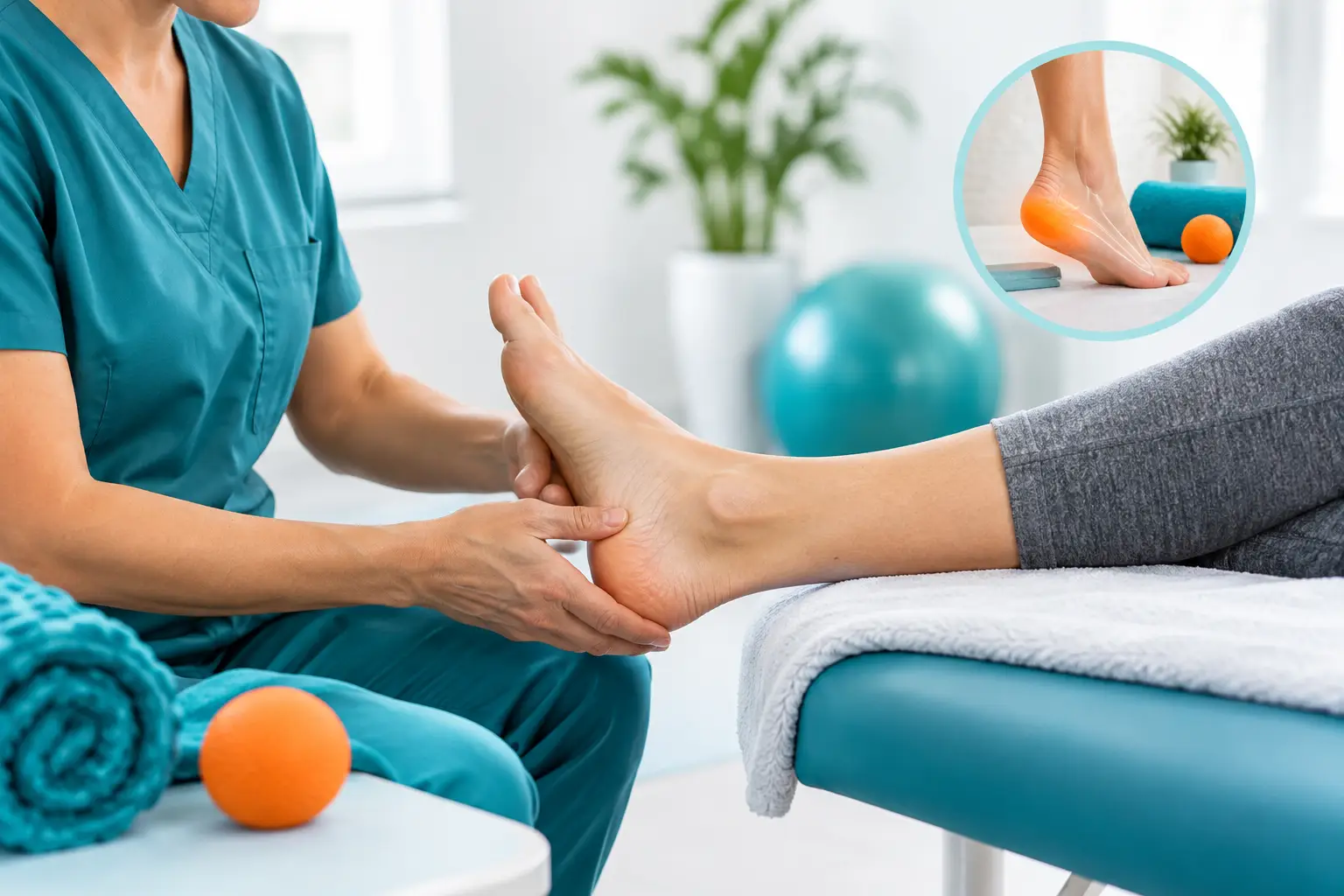
That sharp, first-step pain under the heel can make a walk along the Northern Beaches, a gym session or simply getting out of bed feel far harder than it should. The best therapies for plantar fasciitis are rarely about one quick fix. Lasting improvement usually comes from identifying why the plantar fascia has become overloaded, then combining the right treatment with gradual strengthening, supportive footwear and sensible changes to activity.
Plantar fasciitis is a common cause of heel pain. The plantar fascia is a strong band of connective tissue running from the heel to the toes, helping to support the arch and absorb load with every step. When it becomes irritated or sensitive, pain is often strongest with the first few steps in the morning or after sitting, then may ease as the foot warms up. It can return after a long day on your feet, running, court sports or a sudden increase in training.
Why plantar fasciitis needs an individual approach
Heel pain is not always caused by the same thing. For one person, it may follow a jump in running distance. For another, it may relate to stiff calves, reduced ankle movement, a change in footwear, long hours standing at work or altered movement after a knee, hip or back injury. Body weight, foot mechanics, training recovery, stress and sleep can also affect how well tissue tolerates load and recovers.
This is why a whole-body assessment matters. A practitioner should look beyond the painful spot on the heel, assessing your walking pattern, ankle and calf mobility, foot strength, hip control, footwear and the demands of your work, sport and home life. The goal is not simply to settle pain temporarily, but to help your feet cope better with the load that caused the problem.
Best therapies for plantar fasciitis: what tends to help
Progressive stretching and strengthening
A targeted exercise plan is one of the most useful foundations for plantar fasciitis recovery. Gentle calf stretching can improve ankle movement and reduce tension through the tissues beneath the foot. Plantar fascia-specific stretching, often done by drawing the toes back towards the shin, may be particularly helpful before those painful first steps in the morning.
Strength work is just as important. Exercises that build capacity in the calves, feet and hips help the body absorb force more efficiently during walking and sport. Depending on your starting point, this may include controlled calf raises, foot arch exercises, balance work and gradual return-to-running drills. Too much, too soon can flare symptoms, so the right dose matters more than pushing through pain.
Footwear, orthotics and load management
Worn-out runners, very flat shoes or unsupportive thongs can be a problem when your heel is sensitive, particularly if you are spending long days on hard floors. Supportive footwear with comfortable cushioning and a stable sole may reduce irritation while you recover. This does not mean everyone needs stiff or heavily structured shoes forever. The best option depends on your foot, activity and comfort.
Some people benefit from prefabricated arch supports or custom orthotics, especially where there are clear foot-mechanics concerns or persistent symptoms. Orthotics can redistribute pressure and make walking more comfortable, but they work best alongside exercise rather than as a stand-alone solution.
Load management is the practical part of recovery. You may need to temporarily reduce hill running, sprinting, jumping, long walks or standing shifts, without becoming completely inactive. Swapping some high-impact exercise for cycling, swimming or strength training can maintain fitness while the heel settles. A gradual plan helps you return to the activities you enjoy with greater confidence.
Hands-on therapy for tightness and movement restrictions
Hands-on care can be valuable when calf tightness, ankle restriction or altered movement patterns are contributing to plantar fasciitis. Remedial massage and myotherapy may help reduce muscle tension through the calves and feet, improve comfort and support movement before rehabilitation exercises.
Chiropractic assessment and treatment may also be considered where joint stiffness in the foot, ankle, knee, hip or lower back is affecting how you move. The focus should be on restoring comfortable movement and pairing any hands-on treatment with an active rehabilitation plan. Passive treatment alone is unlikely to build the tissue capacity needed for long-term change.
Dry needling and acupuncture
Dry needling may be used for trigger points and persistent tightness in the calf and foot muscles. By addressing muscular tension, it can help some people move more freely and tolerate their exercise program more comfortably.
Acupuncture is another complementary option that may assist with pain modulation and relaxation, particularly when ongoing pain is affecting sleep, stress levels or recovery. It is not a replacement for strengthening and load management, but it can form part of a personalised plan where appropriate. Your practitioner should discuss what the treatment involves, its likely role and whether it suits your health history.
Shockwave therapy for stubborn heel pain
Shockwave therapy is often considered when plantar fasciitis has persisted despite a period of well-managed conservative care. It delivers sound waves to the affected area, with the aim of stimulating the body’s healing response and reducing pain sensitivity. It is generally delivered as a series of appointments and is usually combined with a structured exercise program.
Shockwave is not necessarily the first choice for a recent flare-up, and it is not suitable for everyone. Some tenderness after treatment is possible. However, for chronic or slow-to-settle plantar heel pain, it can be a useful option to discuss with an experienced practitioner.
What can slow recovery?
The most common setback is repeatedly loading a painful heel without allowing enough recovery, then doing no strengthening once it calms down. Another is resting completely for weeks, which can reduce fitness and leave the foot less prepared when normal activity resumes. The more helpful middle ground is to modify aggravating activities while steadily rebuilding capacity.
Avoid aggressive rolling or digging into the heel if it leaves the area more painful afterwards. A frozen water bottle or ball under the foot may feel soothing for some people, but it should be gentle and brief. Pain relief strategies can make daily life easier, yet they are most effective when paired with a plan that addresses the reason the tissue became overloaded.
Recovery time varies. Mild cases may improve in several weeks, while longer-standing symptoms can take months of consistent care. Progress is not always perfectly linear. A brief flare after a busy weekend does not necessarily mean you are back at square one, but it may signal that the next few days need a little less impact and a little more recovery.
When heel pain should be assessed promptly
Not all heel pain is plantar fasciitis. A stress injury, nerve irritation, tendon problem, inflammatory condition or referred pain from elsewhere in the body can produce similar symptoms. Seek professional assessment if pain is severe, follows an injury, causes numbness or tingling, is accompanied by marked swelling or redness, wakes you at night, or is not improving with sensible self-care.
At Neurohealth Wellness, a multidisciplinary assessment can bring together hands-on care, exercise guidance and complementary therapies in a nurturing environment. Your plan can be tailored to whether you are training for an event, standing through long workdays, returning to exercise after pregnancy or simply wanting to walk comfortably again.
The most helpful next step is not to wait until heel pain dictates every choice you make. Early, personalised care can help you understand the load your body is managing, rebuild confidence in movement and get back to the everyday activities that support a healthier, more active life.


