


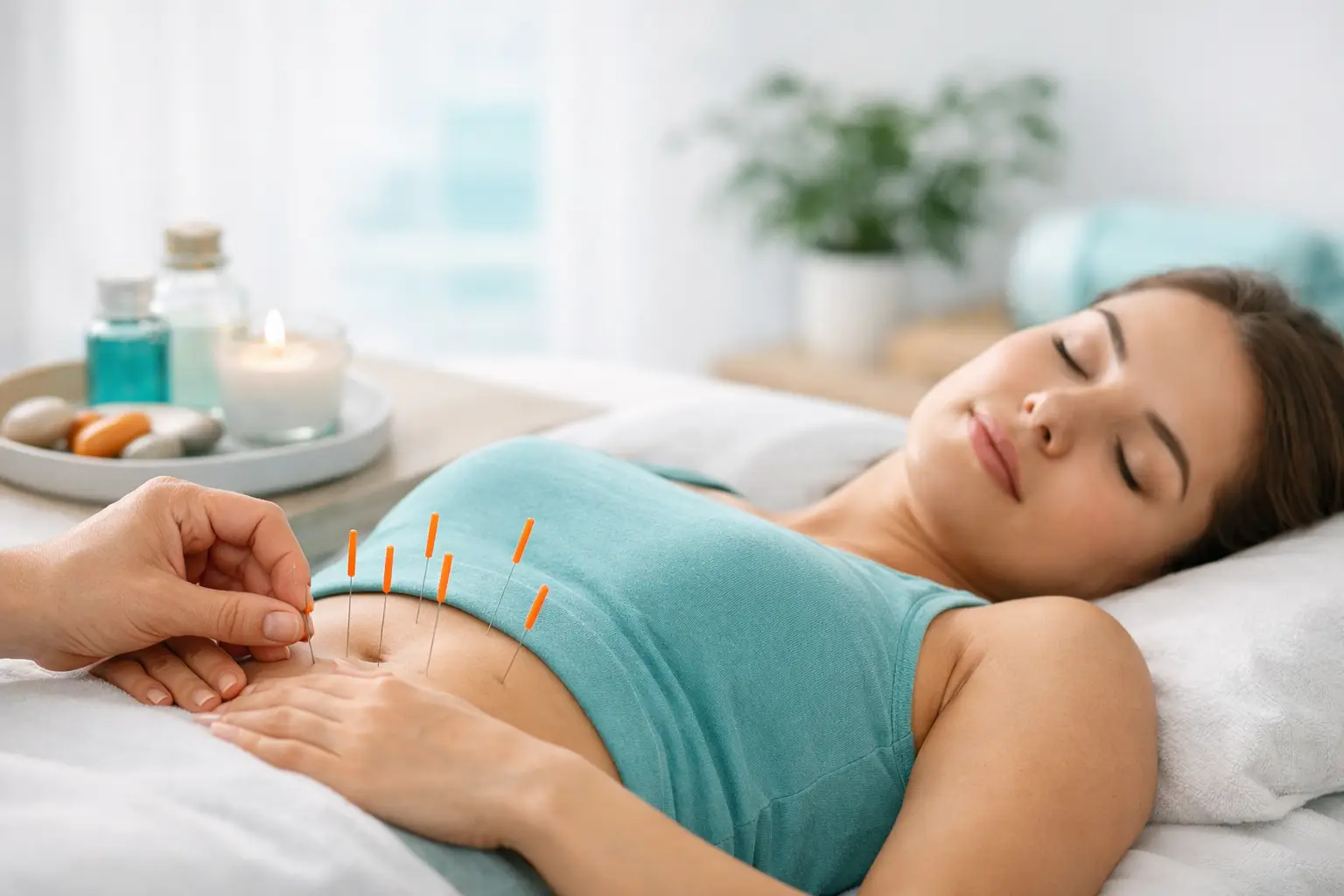
When period pain stops you in your tracks, the question is usually not whether it hurts - it is how you are meant to get through work, school, training, family life, or even a decent night’s sleep. If you have been wondering, can acupuncture help menstrual pain, the short answer is yes, it may help many women manage cramps and related symptoms more comfortably. The more useful answer is that results depend on what is driving the pain, how long it has been happening, and whether your care looks at the bigger picture as well.
For some women, menstrual pain feels like a dull ache in the lower abdomen or back. For others, it is sharp, gripping, exhausting, and paired with bloating, headaches, bowel changes, nausea, mood shifts, or fatigue. That variation matters. Period pain is common, but it should never be brushed off as something you simply have to put up with.
Can acupuncture help menstrual pain in a meaningful way?
Acupuncture is commonly used to support women with painful periods because it aims to reduce pain, calm muscle tension, improve circulation, and help regulate the body’s stress response. In practical terms, that can mean less intense cramping, fewer associated symptoms, and a cycle that feels more manageable month to month.
From a modern clinical perspective, acupuncture may help by encouraging the release of the body’s natural pain-relieving chemicals, influencing how pain signals are processed, and supporting blood flow to the pelvic region. Many women also notice that acupuncture helps them feel less tense and more settled overall, which can make a real difference when pain is aggravated by stress, poor sleep, or nervous system overload.
That said, acupuncture is not a magic fix for every type of period pain. If your symptoms are linked to conditions such as endometriosis, adenomyosis, fibroids, or pelvic inflammatory issues, acupuncture may still play a helpful supportive role, but it works best as part of a broader care plan. Ongoing or severe pain always deserves proper assessment.
Why menstrual pain happens
Menstrual cramps often occur because the uterus contracts to shed its lining. These contractions are driven by hormone-like substances called prostaglandins. Higher levels can lead to stronger contractions, reduced blood flow during cramping, and more pain.
But that is only one layer. Menstrual pain can also be influenced by inflammation, pelvic tension, stress, digestive sensitivity, past injuries, poor sleep, and underlying reproductive health conditions. This is one reason a whole-body approach can be so valuable. If pain is only treated at the surface, the cycle often repeats without much changing.
In clinic, a thoughtful assessment usually looks beyond the calendar date of your period. The timing of pain, the nature of your flow, bowel symptoms, emotional changes, energy levels, headaches, back pain, and any history of fertility concerns or diagnosed conditions can all add useful clues.
What symptoms acupuncture may help with
When people ask can acupuncture help menstrual pain, they are often thinking about cramps alone. In reality, many women seek care because the pain comes with a cluster of symptoms that affect the whole month, not just one or two days.
Acupuncture may help with lower abdominal cramping, lower back pain, pelvic heaviness, bloating, breast tenderness, headaches, irritability, fatigue, and stress-related flare-ups around the menstrual cycle. Some women also find it helps if their body tends to feel tight and inflamed before or during their period.
This broader effect is often why acupuncture appeals to women who want support that feels more holistic than simply masking symptoms for a few hours. The goal is not just to get through the day, but to help your cycle place less strain on your body over time.
What to expect from treatment
A women’s health acupuncture appointment should feel calm, respectful, and tailored to you. Your practitioner will usually ask about your cycle history, symptom pattern, health background, stress levels, sleep, digestion, and any relevant diagnoses. That full picture helps guide treatment rather than relying on a one-size-fits-all approach.
The treatment itself involves very fine needles placed at selected points on the body. Many people are surprised by how gentle it feels. You might notice a mild ache, warmth, heaviness, or a subtle tingling sensation, but it is generally well tolerated. Most appointments leave people feeling relaxed rather than rattled.
Timing can matter. Some women benefit from treatment in the lead-up to their period to help reduce the intensity of cramps before they start. Others need support during their period, or at other points in the cycle if symptoms like PMS, stress, migraines, or irregularity are part of the pattern. If pain has been present for years, a series of treatments is usually more realistic than expecting one appointment to change everything.
When acupuncture tends to work best
Acupuncture often works best when period pain is mild to moderate, when symptoms follow a predictable pattern, and when treatment begins before things become unbearable. It can also be helpful for women who know stress clearly worsens their cycle symptoms.
It may be especially worthwhile if you are looking for a non-drug option, if pain relief medication does not fully help, or if you want support for more than cramps alone. Women who experience period pain alongside muscular tension, lower back discomfort, poor sleep, or digestive upset often respond well to a more integrated style of care.
There is a trade-off here, though. Natural therapies can be very effective, but they often ask for consistency. If your expectation is instant relief with no follow-up, you may be disappointed. If you are open to a treatment plan that responds to your body over a few cycles, the benefits can be more meaningful and longer lasting.
When menstrual pain needs further investigation
While acupuncture can be a valuable part of care, severe menstrual pain should not be normalised. If your symptoms are intense, worsening, causing you to miss work or study regularly, or are paired with very heavy bleeding, pain during sex, unusual bleeding between periods, dizziness, or fertility concerns, it is important to seek medical assessment.
This matters because some causes of period pain need diagnosis and coordinated care. Acupuncture may still be useful in helping manage pain, tension, and stress, but it should sit alongside appropriate medical advice, not replace it.
A good practitioner will recognise that distinction and encourage further investigation when needed. Supportive care should feel safe, informed, and grounded in your broader health picture.
A whole-body approach to period pain
Menstrual health does not exist in isolation from the rest of the body. The nervous system, musculoskeletal system, sleep quality, emotional load, movement patterns, and general wellbeing can all influence how intensely pain is felt.
That is why some women do best with a combined approach. If period pain is accompanied by lower back tightness, pelvic tension, stress, or postural strain from long hours sitting at a desk, care may include more than one therapy. In a multidisciplinary setting such as Neurohealth Wellness, acupuncture can sit alongside hands-on therapies and supportive lifestyle guidance to address the factors that may be adding to the cycle of discomfort.
This kind of integrated care is not about making treatment complicated. It is about recognising that your body rarely separates pain into neat categories, so your care does not always need to either.
Can acupuncture help menstrual pain long term?
It can, particularly when treatment is matched to the underlying pattern and reviewed over time. Some women notice relief in the first few sessions. Others find the real shift happens gradually, with reduced cramping intensity, fewer flare-ups, and less disruption across several cycles.
Long-term improvement often depends on what else is going on. If the main issue is primary dysmenorrhoea, which is period pain without another diagnosed pelvic condition, acupuncture may offer strong support. If there is an underlying condition, treatment may still improve quality of life, but the results can be more variable and often work best as part of a larger plan.
The key is not to wait until every period becomes a crisis. If your cycle is consistently painful, exhausting, or starting to shape your month around it, that is reason enough to seek help.
Period pain might be common, but common is not the same as normal. With the right support, many women find their cycle becomes less painful, less draining, and far easier to live with.


