


A tight calf that will not let go after a long run. A shoulder that keeps pinching every time you reach overhead. A neck that feels locked after hours at a desk. When people ask how dry needling works, they are usually asking something more personal - why this sore, stubborn area is not settling, and whether there is a natural way to help it release.
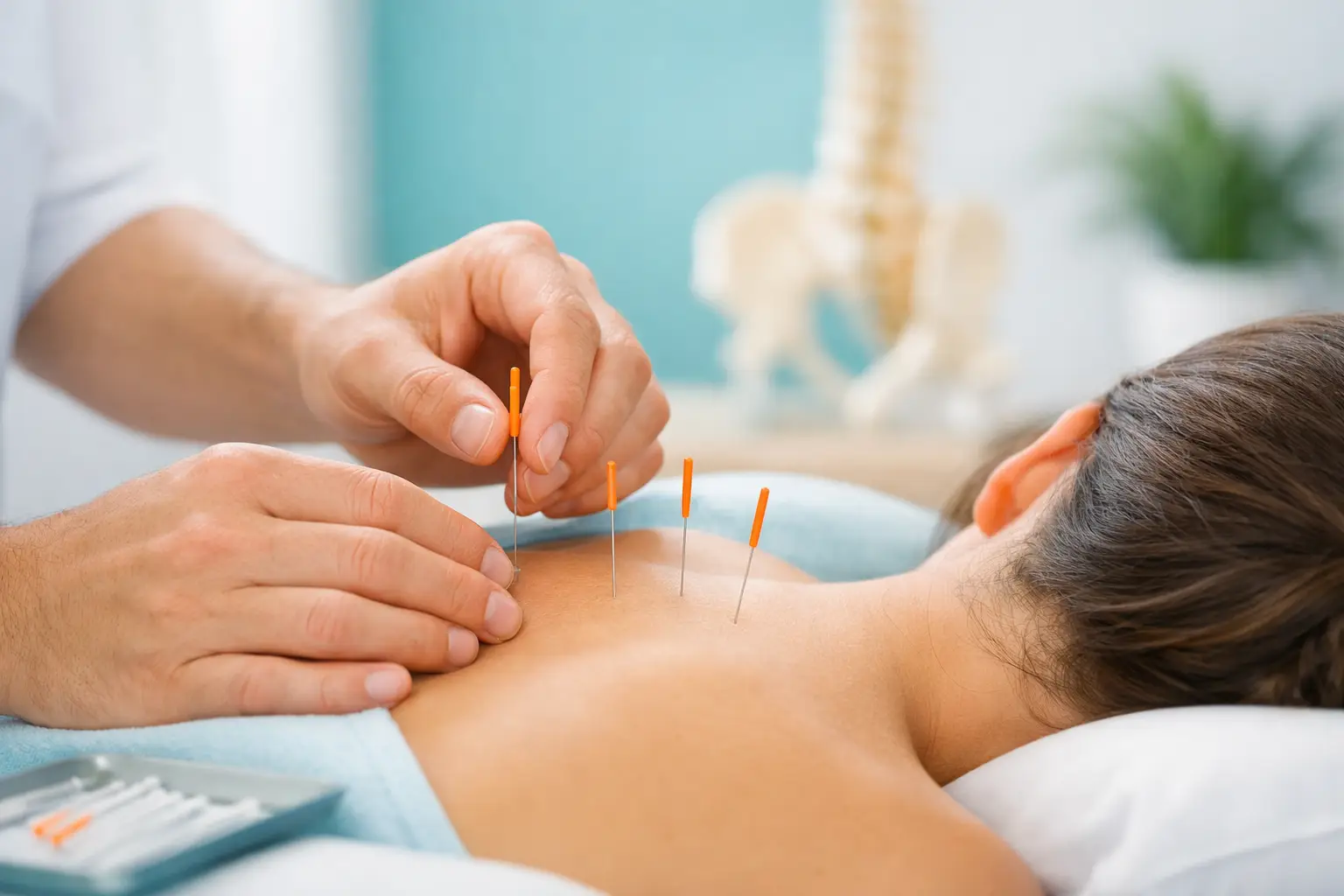
Dry needling is a hands-on treatment used to target tight, irritated or overworked muscles and connective tissue. It involves placing very fine, sterile needles into specific points in the muscle to help reduce tension, improve blood flow and support the body’s natural healing response. For many people, it can be a useful part of care for pain, movement restriction and sports recovery.
How dry needling works in the body
At its core, dry needling works by stimulating a problem area in a very precise way. Practitioners often use it to address trigger points, which are small, taut bands within a muscle that can feel tender, tight or referred into other areas. A trigger point in the shoulder, for example, may contribute to pain down the arm or up into the neck.
When the needle is inserted into the affected tissue, the muscle may produce a small twitch response. This is a brief involuntary contraction that often signals the area has been reached. While it can feel unusual, it is commonly followed by a sense of release. That release may help reduce muscle guarding, ease local tension and improve the way the muscle functions.
There is also a broader physiological effect. Needling can increase local circulation, which helps bring oxygen and nutrients into the area while assisting the removal of metabolic waste products. At the same time, it may influence the nervous system by reducing sensitivity around the painful site. That matters because many pain patterns are not only about tight muscles - they are also about an overprotective nervous system keeping a region switched on.
This is one reason dry needling is often used within a wider treatment plan rather than as a stand-alone fix. Pain and stiffness can involve muscle overload, joint restriction, posture, training load, stress and recovery habits all at once.
What dry needling is used for
Dry needling is commonly used for musculoskeletal pain and movement issues. It can be helpful for sports injuries, gym-related strains, repetitive office tension and longer-standing muscular tightness that has not responded well to stretching alone.
Common areas include the neck, shoulders, upper back, lower back, hips, glutes, hamstrings, calves, elbows and wrists. It is also often used in rehabilitation for knee pain, shin tightness, plantar heel pain and reduced mobility after injury.
For active adults and athletes, one of the main benefits is that it can help calm down overactive muscles that are interfering with strength, control or recovery. A runner with persistent calf tightness, for instance, may find it easier to load the area properly once that tension is reduced. Someone with shoulder pain may notice improved range and less discomfort during training after the surrounding muscles release.
That said, dry needling is not the answer to every pain problem. If the issue is driven mainly by joint instability, poor movement mechanics, inflammatory conditions or broader systemic stress, the needles may only address one part of the picture. This is why a proper assessment matters.
How dry needling works compared with acupuncture
People often confuse dry needling with acupuncture because both use fine needles. The tools look similar, but the reasoning behind the treatment is different.
Dry needling is generally based on modern musculoskeletal assessment. The practitioner identifies tight or dysfunctional tissue, then places needles into specific muscles or related points to reduce pain and improve movement. The focus is usually local and functional.
Acupuncture comes from a different framework and may be used to support a much wider range of concerns, including pain, stress, sleep, hormonal balance and overall wellbeing. In an integrated clinic, both approaches can have a place. The right option depends on what is driving your symptoms and what your body needs most at that point in time.
What a session usually feels like
Most people are surprised by how fine the needles are. The insertion itself is often felt as a small prick, though some points are barely noticeable. If a trigger point is active, you might feel a twitch, ache, heaviness or brief cramping sensation. This usually settles quickly.
After treatment, the area can feel looser, lighter or easier to move. It is also normal to feel a little sore for a day or two, similar to post-exercise soreness. Some people feel immediate relief, while others notice gradual changes over the next 24 to 48 hours.
Hydration, gentle movement and following any aftercare advice can help. If the area has been very tight for a long time, it may take a few sessions to create a more lasting change.
Who might benefit most
Dry needling can suit a wide range of people, but it tends to be especially useful when muscle tension is clearly part of the problem. That includes desk workers with postural strain, parents carrying babies or toddlers, tradies dealing with repetitive load, and athletes wanting to support recovery and performance.
It may also help during rehabilitation when pain or tightness is stopping progress. If your glutes are not activating well after a hip issue, or your calves keep tightening after an ankle injury, releasing the overworked tissues may make it easier to retrain better movement patterns.
Pregnant women and people with complex health histories may still be suitable for needling, but treatment needs to be adapted carefully. A qualified practitioner will always consider your stage of life, medical history, symptom pattern and comfort level before recommending it.
When dry needling may not be the right fit
Like any therapy, dry needling has limits. If you strongly dislike needles, feel faint easily or are highly anxious around treatment, there may be gentler ways to begin. Manual therapy, massage, mobility work and nervous system support can still be very effective.
There are also situations where needling may need to be avoided or modified, such as certain medical conditions, active infection, some skin conditions or particular stages of pregnancy. This is why treatment should always follow a proper consultation, not a one-size-fits-all approach.
It is also worth knowing that dry needling is not meant to replace exercise rehabilitation, strength work or load management. If you keep returning to the same painful pattern, the body often needs more than release. It may need better support, better movement and better recovery habits as well.
How dry needling works best as part of a broader plan
The best results usually happen when dry needling is combined with other care. Releasing a tight muscle is helpful, but keeping it from tightening again often depends on what happens next.
That might include remedial massage, myotherapy, chiropractic care, mobility work, corrective exercises or advice around posture and training load. In some cases, stress, sleep or nervous system overload are also contributing to muscle tension. When care takes the whole person into account, results tend to be more sustainable.
This whole-body view is especially important with recurring injuries. A sore shoulder may involve thoracic stiffness, desk posture and training volume. Ongoing lower back pain may be linked with hip restriction, glute weakness and stress-related tension. Treating only the sore spot can bring short-term relief, but understanding why it keeps happening gives you a much better chance of lasting change.
At Neurohealth Wellness, that integrated approach is a big part of how care is delivered. Dry needling can be a valuable tool, but it works best when it sits inside a personalised plan built around your body, your lifestyle and your goals.
What to expect from results
Some people feel a clear shift after one session, especially with acute muscle tightness. Others need a series of treatments, particularly if the issue has been around for months or keeps flaring with work or sport.
Progress is not always linear. You may feel much freer after treatment, then notice mild soreness, then a more lasting improvement a day later. Or you may find one area settles, only to realise another part of the chain also needs attention. That does not mean treatment is not working. It often means the body is moving out of a compensation pattern.
A good practitioner will explain what they are targeting, what response they expect and whether dry needling makes sense for your situation. That clarity helps you feel comfortable and informed, rather than simply hoping for the best.
If you have been dealing with persistent tightness, sports strain or pain that feels muscular in nature, dry needling may be a helpful step towards moving more freely again. The real value is not just in the needle itself, but in using it thoughtfully, safely and as part of care that supports your long-term health.


