


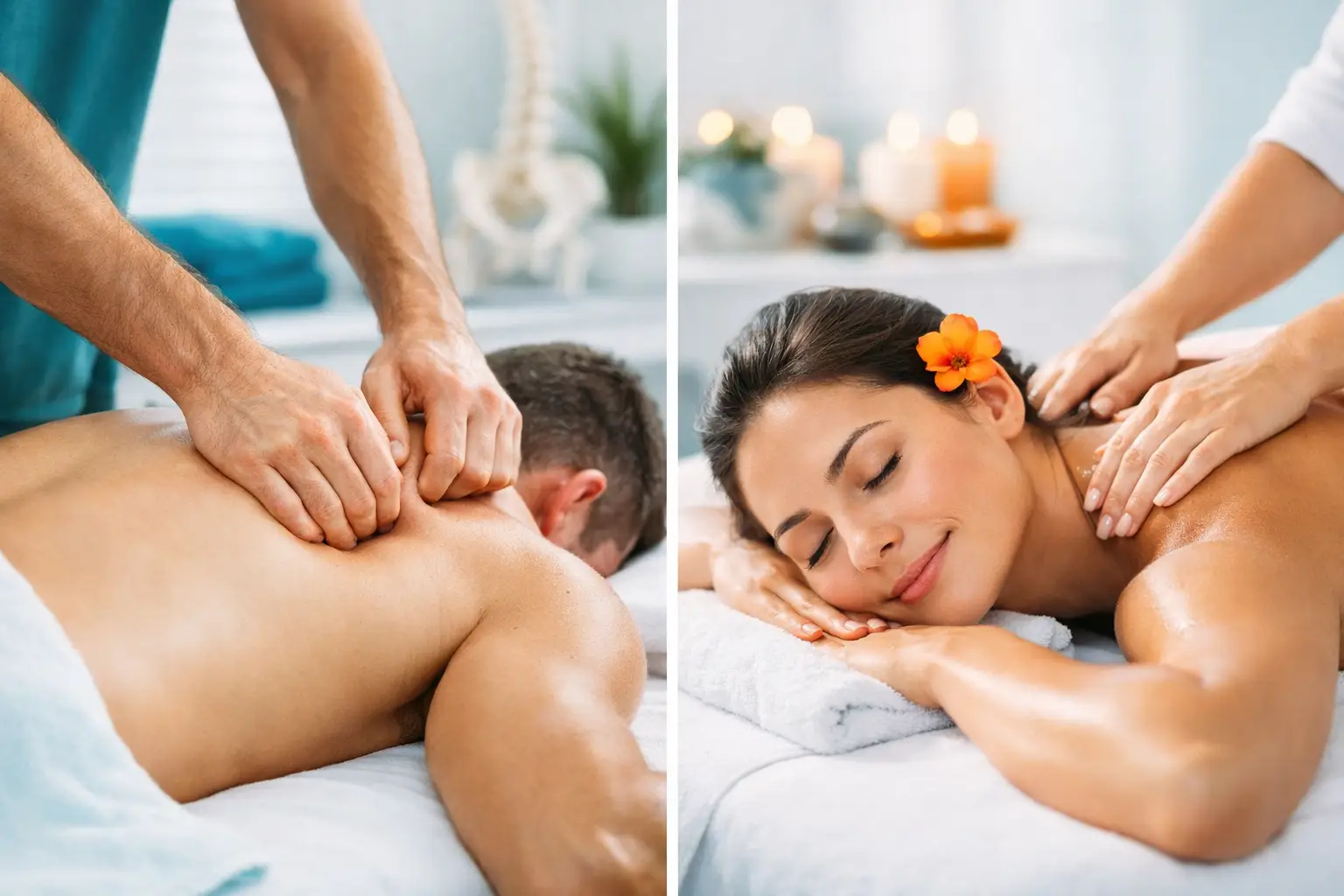
A tight neck after long hours at the desk, sore shoulders from training, or that feeling of carrying stress in your whole body - these are often the moments when people start comparing remedial massage vs relaxation massage. Both can help you feel better, but they are not the same treatment, and choosing the right one can make a real difference to your results.
At a glance, relaxation massage is designed to calm the nervous system, ease general muscle tension and help you switch off. Remedial massage is more focused. It aims to assess and treat specific areas of dysfunction, pain, restricted movement or soft tissue strain. Neither option is better in every situation. It depends on what your body is asking for right now.
Remedial massage vs relaxation massage: what is the difference?
The clearest difference is the intention behind the treatment. A relaxation massage is typically about reducing overall stress, encouraging circulation and helping you feel settled, lighter and more comfortable in your body. The pressure is usually gentler to moderate, the rhythm is flowing, and the experience is designed to be soothing.
Remedial massage is more clinical in approach. Your therapist will usually look at the source of discomfort, assess how the muscles and surrounding tissues are functioning, and tailor the session to a specific issue. That could be lower back tightness, shoulder restriction, headaches linked to neck tension, postural strain, or recovery from a sports injury.
This means remedial massage may involve deeper or more targeted work, but deep pressure is not the whole story. Good remedial treatment is not about pushing harder for the sake of it. It is about using the right technique, in the right place, for the right reason.
When relaxation massage is the better fit
If your body feels overworked, your mind is racing, and you are craving a chance to properly unwind, relaxation massage can be exactly what you need. Many people seek it out during stressful periods, after poor sleep, during busy family life, or simply when they have been holding tension for too long.
A relaxation massage can support more than comfort in the moment. When the body feels safe and calm, breathing often softens, muscles can let go more easily, and the nervous system gets a chance to shift out of that constantly switched-on state. For some people, that means fewer tension headaches, better sleep, or less jaw and shoulder tightness.
It can also be a good choice if you do not have a clear injury or pain pattern but want regular bodywork as part of your wellbeing routine. Think of it as supportive care for stress, mild tension and general restoration.
When remedial massage is the better fit
Remedial massage is usually the better option when there is a clear problem to work on. That might be pain, reduced range of motion, a recurring niggle from exercise, postural overload from desk work, or an old injury that keeps flaring up.
People often choose remedial massage for issues such as tight calves from running, hip tension affecting movement, shoulder pain from gym training, or neck and upper back strain from time spent driving or working at a computer. It is also commonly used as part of sports injury care and rehabilitation, especially when the goal is not just to ease discomfort but to help restore better function.
Because the treatment is more specific, your therapist may ask more detailed questions, check how you move, and focus on a smaller area rather than providing a full-body relaxation experience. That does not mean the session cannot feel relieving or calming. It often does. It just has a different purpose.
Does remedial massage hurt?
This is one of the biggest concerns people have, and it is a fair one. Remedial massage does not need to be painful to be effective. Sometimes targeted work can feel intense, especially in tight or irritated tissues, but it should stay within a manageable range and be guided by clear communication.
Too much pressure can cause guarding, where the body tightens up instead of releasing. A skilled therapist will work with your body, not against it. Some people respond well to firmer techniques, while others get better outcomes with a slower, gentler approach.
Relaxation massage, on the other hand, is generally designed to feel consistently soothing. If your main concern is comfort, stress relief and letting your whole system settle, that style may feel more supportive.
What happens during each type of massage?
With relaxation massage, the session usually follows a smooth, flowing pace across broader areas of the body. The aim is to create a sense of ease from start to finish. Many people leave feeling lighter, sleepier, and mentally quieter.
With remedial massage, the appointment often begins with a conversation about your symptoms, history and goals. Your therapist may assess posture, movement or muscle tension before treating the area that needs attention. Techniques can vary depending on the issue, and the session may include more focused work to address restrictions or overload patterns.
This is why one treatment can feel like a reset, while the other feels more like a step in a recovery plan.
Which massage is better for stress, pain and recovery?
For stress, relaxation massage is often the natural starting point. It helps many people slow down, breathe more deeply and release built-up tension that has been simmering in the background. If your body aches mainly because life has been full and your nervous system feels frayed, this approach can be very effective.
For pain or movement restriction, remedial massage is usually more appropriate. If you cannot turn your head comfortably, your lower back keeps tightening after work, or your knee and hip are compensating after exercise, a targeted treatment makes more sense than a general one.
For recovery, it depends on what kind of recovery you mean. If you are recovering from stress, poor sleep or burnout, relaxation massage may be the best fit. If you are recovering from training, repetitive strain or a sports-related issue, remedial massage is often more useful. In some cases, the two can complement each other over time.
Remedial massage vs relaxation massage for athletes and active adults
If you are active, play sport, train regularly or are trying to improve performance, remedial massage tends to offer more direct benefits. It can help manage muscle tightness, support mobility, address overload before it becomes injury, and assist with returning to activity after a flare-up.
That said, relaxation massage still has a place. Recovery is not only about muscles. It is also about helping the body come out of stress mode. An athlete under pressure at work, training hard, and not sleeping well may benefit from relaxation massage as part of a broader recovery strategy.
The best choice often depends on timing. Before or during heavy training blocks, remedial massage may help keep things moving well. During periods of high stress or fatigue, relaxation massage may offer the nervous system support your body has been missing.
Why the right assessment matters
Sometimes people book a relaxation massage thinking they just need to loosen up, only to realise the issue is more specific. Other times, they assume they need remedial work when what they really need is rest, downregulation and a gentler approach.
This is where practitioner guidance matters. In a holistic clinic setting, the aim is not simply to match you with a service name. It is to understand what is driving the tension, pain or discomfort in the first place. That may involve posture, movement habits, stress load, training volume, pregnancy-related changes, or how your nervous system has been coping overall.
At Neurohealth Wellness, this whole-body view is central to care. Massage is not treated as a one-size-fits-all experience. It is adapted to your goals, whether that is settling stress, improving mobility, easing muscular pain, or supporting rehabilitation.
How to choose the right massage for you
A simple question can help. Are you looking to relax, or are you looking to resolve something specific?
If your answer is to relax, unwind and reduce general tension, relaxation massage is likely the right fit. If your answer is to work on a clear problem such as pain, tightness, reduced movement or injury recovery, remedial massage is usually the better choice.
And if you are still unsure, that is completely normal. Bodies are rarely that neat. Stress can create pain, pain can create stress, and many people are dealing with both at once. The most helpful treatment is the one that meets your body where it is now, not where you think it should be.
The right massage should leave you feeling supported, understood and more at ease in your body. Sometimes that means deep rest. Sometimes it means targeted treatment. Often, it starts with listening to what your body has been trying to tell you.


