


Sinus Pressure, Headaches & Blocked Breathing:
Why the Problem Isn’t Always in Your Sinuses
If you’re constantly dealing with sinus pressure, headaches behind the eyes, facial tension, or blocked nasal breathing, you’ve probably been told it’s due to allergies, inflammation, or recurring sinus infections.
Sometimes that’s true.
But many people continue to struggle even after medications, sprays, scans, or surgery — which raises a bigger question:
What if the issue isn’t just inflammation… but pressure, tension, and nervous system dysfunction?
At Neurohealth Wellness, we regularly see sinus and headache symptoms linked to cranial tension, jaw mechanics, neck function, breathing patterns, and past head injuries rather than infection alone.
Why Sinus Symptoms Can Persist Long-Term
The sinuses sit within the bones of the skull and are closely connected to:
- The upper cervical spine
- The jaw (TMJ)
- Cranial nerves
- Cerebrospinal fluid movement
- Breathing mechanics
When these systems aren’t functioning optimally, pressure and congestion can persist even when scans appear “normal”.
Common contributors include:
- Previous concussions or head trauma
- Chronic neck tension or poor posture
- Jaw clenching or grinding
- Long-term stress and nervous system overload
- Mouth breathing or dysfunctional breathing patterns
This helps explain why many sinus and headache cases don’t fully resolve with medication alone.
The Overlooked Role of Cranial Tension
For a long time, it was believed that the bones of the adult skull were completely fixed. We now know the cranial system allows subtle movement that supports circulation, nerve signalling, and pressure regulation.
When cranial mobility is reduced — due to injury, stress, or mechanical strain — symptoms may include:
- Sinus pressure or congestion
- Headaches or migraines
- Facial or eye pressure
- Jaw tension (TMJ)
- Dizziness or brain fog
- Breathing difficulty through the nose
Addressing cranial tension is where specific manual techniques, such as the Nasal Release Technique, may become relevant.
What Is the Nasal Release Technique?
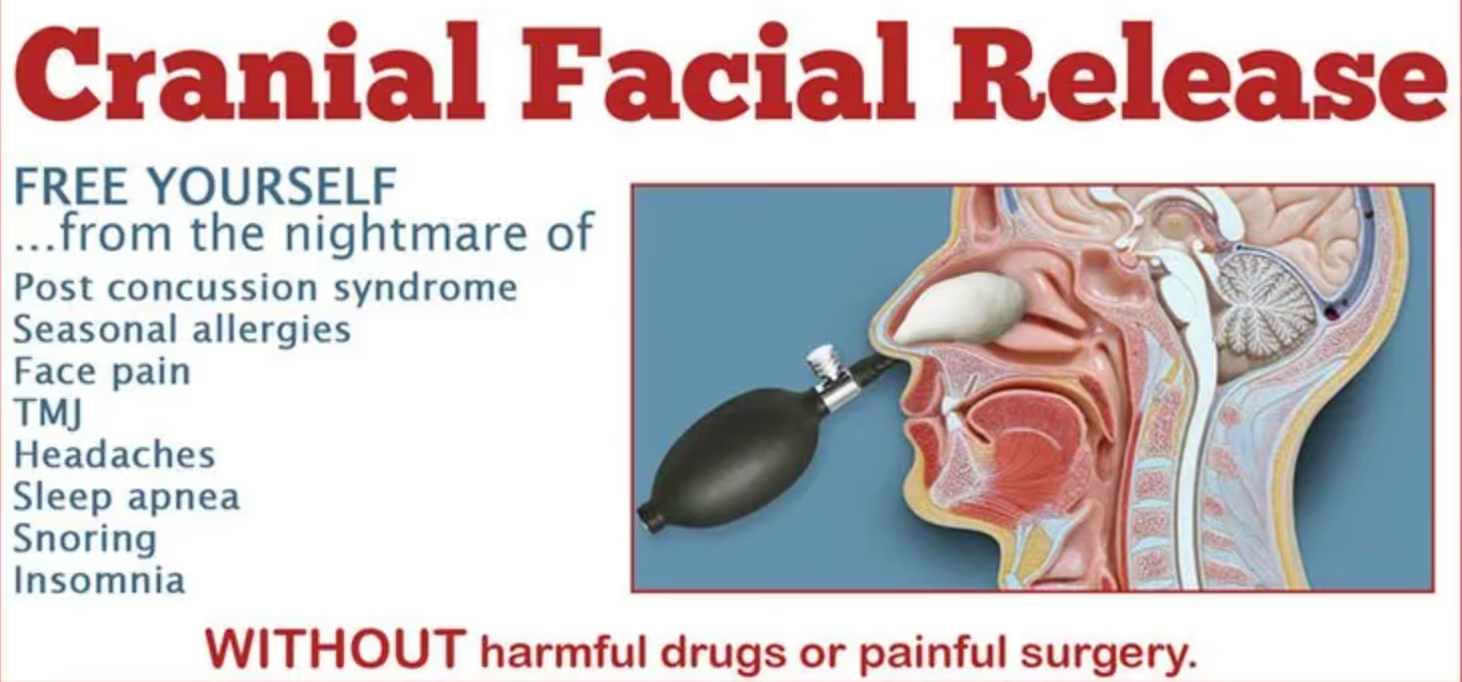
The Nasal Release Technique (NRT) is a gentle, non-surgical method used to help restore balance and mobility within the cranial system.
It involves the controlled use of a small, soft balloon inserted into specific nasal passages and briefly inflated. This creates gentle internal pressure that may help:
- Reduce cranial compression
- Improve nasal airway space
- Support fluid movement within the skull
- Influence nervous system regulation
While the sensation can feel unusual, most people describe it as brief and tolerable rather than painful.
👉 You can read the full clinical explanation of the Nasal Release Technique here:
https://www.neurohealthwellness.com.au/nasal-release-technique
How NRT May Help Sinus Pressure & Headaches
When used appropriately as part of a broader care plan, NRT may support:
Sinus Congestion & Nasal Breathing
- Improved airflow through the nasal passages
- Reduced feeling of blockage or pressure
- Support for sleep-related breathing issues
Headaches & Facial Pressure
- Reduced sinus-related headache frequency
- Relief from pressure behind the eyes or forehead
- Less facial tension
Jaw (TMJ) Dysfunction
- Reduced jaw tightness
- Improved coordination between jaw, neck, and skull
Post-Concussion Symptoms
- Addresses subtle cranial restrictions
- Supports nervous system recovery
- Complements chiropractic and rehabilitative care
Why This Matters in Chiropractic Care
At Neurohealth Wellness, sinus and headache symptoms are never viewed in isolation.
We assess:
- Neck and upper spine mechanics
- Jaw function and muscle tension
- Breathing patterns
- Nervous system regulation
- Postural and movement habits
This whole-body view explains why approaches like NRT may be combined with:
- Chiropractic adjustments
- Soft tissue and fascial work
- Breathing retraining
- Movement and postural rehabilitation
The goal is not just symptom relief — but restoring function and resilience.
Is the Nasal Release Technique Safe?
When performed by a trained practitioner, NRT is generally considered safe. However, it may not be suitable if you have:
- Recent nasal or facial surgery
- Nasal fractures
- Bleeding disorders
- Certain vascular or neurological conditions
A full assessment is always completed before considering this technique.
Who May Benefit Most From This Approach?
This style of care may be particularly relevant if you:
- Have chronic sinus symptoms with no clear cause
- Experience headaches linked to pressure or facial tension
- Have a history of concussion or head injury
- Clench or grind your teeth
- Struggle with nasal breathing despite treatment
Not everyone needs NRT — but for the right person, it can be a valuable part of care.
How This Fits Into Care at Neurohealth Wellness
We use techniques like NRT selectively, not routinely.
Care is always individualised and guided by:
- Clinical findings
- Your health history
- Your goals and lifestyle
- How your nervous system responds
If you’d like to explore whether this approach may be appropriate for you, start with a proper assessment.
👉 Learn more about the Nasal Release Technique at Neurohealth Wellness
👉 Or explore related topics:
- Neck pain and headaches
- TMJ and jaw tension
- Breathing and nervous system health
- Post-concussion recovery
References
- Upledger JE. Craniosacral Therapy. Eastland Press.
- Pizzorno J, Murray M. Textbook of Natural Medicine. Elsevier.
- Green C et al. Cranial nerve involvement in sinus and facial pain. Headache Journal.
- Standring S. Gray’s Anatomy. Elsevier.
- Eccles R. Mechanisms of nasal airflow and congestion. Rhinology.


